SUP in Stockholm: stand-up paddleboarding routes and rentals
Stockholm: self-guided SUP city highlights tour
Can I try stand-up paddleboarding in Stockholm?
Yes — SUP is one of the most accessible water activities in Stockholm. Stockholm SUP Tours at Djurgårdsbrunn offers 1-hour lessons from 425 SEK. Self-guided SUP rentals are available for those with experience. The calm inner city waterways are ideal for beginners; the archipelago tours offer more adventure.
SUP in Stockholm: why it’s worth trying
Stand-up paddleboarding sits at the intersection of easy access and dramatic scenery that Stockholm does unusually well. The city’s calm inner waterways — particularly Djurgårdskanalen and the stretch of Brunnsviken lake north of the city — provide conditions where beginners can get on a board within minutes and be paddling competently in under an hour.
| Where | Djurgårdskanalen (lessons/rentals) or Brunnsviken (self-guided) |
| Cost | Around 425 SEK/hour lesson, from around 250 SEK/hour rental |
| Time needed | 1 hour lesson, or 2–3 hours for a full canal circuit |
| Getting there | Bus 69 or a 15-minute cycle to Djurgårdsbrunn |
| Best time | Early morning (7–9am), June–August for calm water |
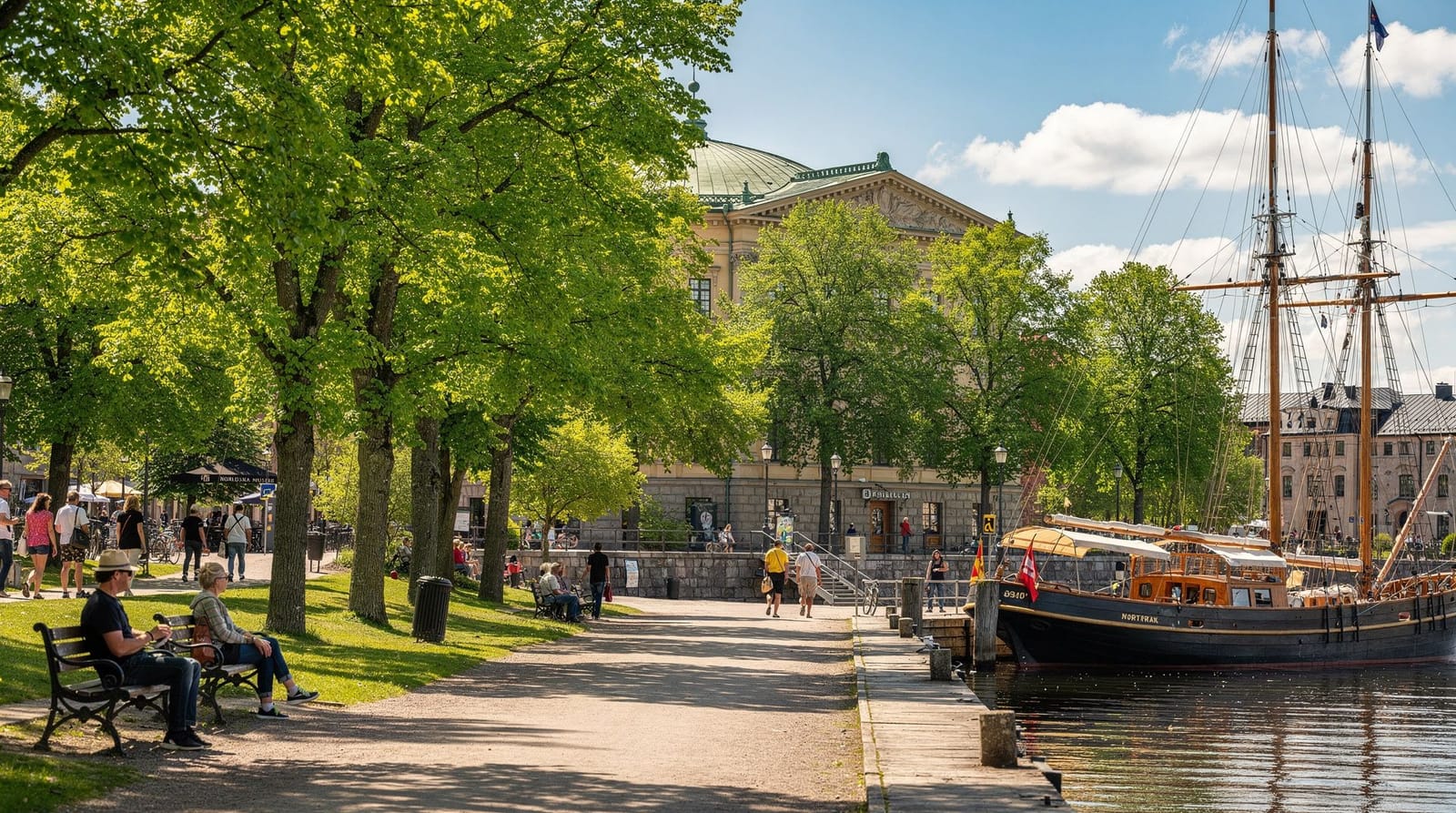
Unlike kayaking, which requires you to sit and has a lower vantage point, SUP puts you standing 80–90cm above the water surface. The views across Stockholm’s waterways from that height are genuinely better than from a seated boat. On a clear morning on Djurgårdskanalen with the Nordiska Museet visible through the trees, it is one of those experiences that does not require explaining.
The learning curve is real — balance takes adjustment — but Stockholm’s calm, flat waterways make it as forgiving as possible. Most beginners are paddling independently within 20–30 minutes.
A paddle also slots easily into a wider plan. If you are still deciding how to fill your days, the Stockholm in 3 days overview and the first-timer 3-day itinerary show where a morning on the water fits between the big sights, and the Djurgården walking route is a good way to spend the hours before or after you paddle. If the weather turns, the rainy-day museum guide is the fallback.
Where to try SUP in Stockholm
Stockholm SUP Tours — Djurgårdsbrunn
The main specialist operator. Located at Djurgårdsbrunn (on the northern edge of Djurgårdskanalen), Stockholm SUP Tours offers both lessons and rentals. Lessons are genuinely instructional — not just “here is the board, good luck” — with a trained instructor who covers balance, paddling technique, and turning before you enter the water.
Lessons: approximately 425 SEK for 1 hour, including board, paddle, buoyancy aid, and instruction. Suitable for complete beginners.
Rentals: Available for those with demonstrated experience. Rental rates from around 250 SEK/hour for a standard board.
Group tours: Archipelago group tours run from the same base — typically half-day or full-day sessions paddling between inner archipelago islands with a guide. These require no previous SUP experience; the instructor accompanies the group throughout.
Location: Djurgårdsbrunn, accessible by bus 69 from T-Centralen or a 15-minute cycle via Djurgårdsbroen. The canal setting is excellent — you are launching into calm, tree-lined water with immediate visual reward. It sits right on the edge of the Djurgården neighborhood, so a paddle pairs naturally with a museum visit before or after.
Book a self-guided SUP city highlights tourSelf-guided SUP: the city waterways
For paddlers with existing SUP experience, self-guided routes on Stockholm’s inner waterways cover the best of the city’s water-level perspectives.
Djurgårdskanalen route (2–3 hours)
The canal that separates Djurgården from the mainland (Östermalm) is calm, scenic, and roughly 2 kilometres from Djurgårdsbrunn east to the Djurgårdsbroen bridge. Paddling the full length and returning gives a 4-kilometre circuit past the museum buildings, traditional wooden boats, and the boat hire operations that make the canal a hub of water activity in summer.
Conditions: Calm — the canal is sheltered from wind. Watch for rowing boats and canoes on the same water; the canal is shared and courtesy is important. Small motor boats do use the canal but at low speed.
Surface: Flat water, occasionally small wash from passing boats. No significant chop.
Best time: Early morning (7–9am) for empty water and good light on the museum buildings. Midday is busiest.
Brunnsviken lake
North of Stockholm city, the slim finger of Lake Brunnsviken runs through Hagaparken (the northern section of Ekoparken). The lake is calm, almost entirely surrounded by park and forest, and has almost no motor boat traffic. For SUP, it is one of the best stretches of flat water near the city.
Access: By bike from Djurgårdsbrunn (about 20 minutes north through the park), or by T-bana to Odenplan and bus 515 to Haga Parkmuseum. Rental equipment is not available at Brunnsviken; bring your own or arrange rental delivery through a specialist.
Distance: The lake is approximately 4km from tip to tip. A full out-and-back paddle is 8km — a solid half-day on flat water.
Book a self-guided SUP adventure in StockholmArchipelago SUP tours
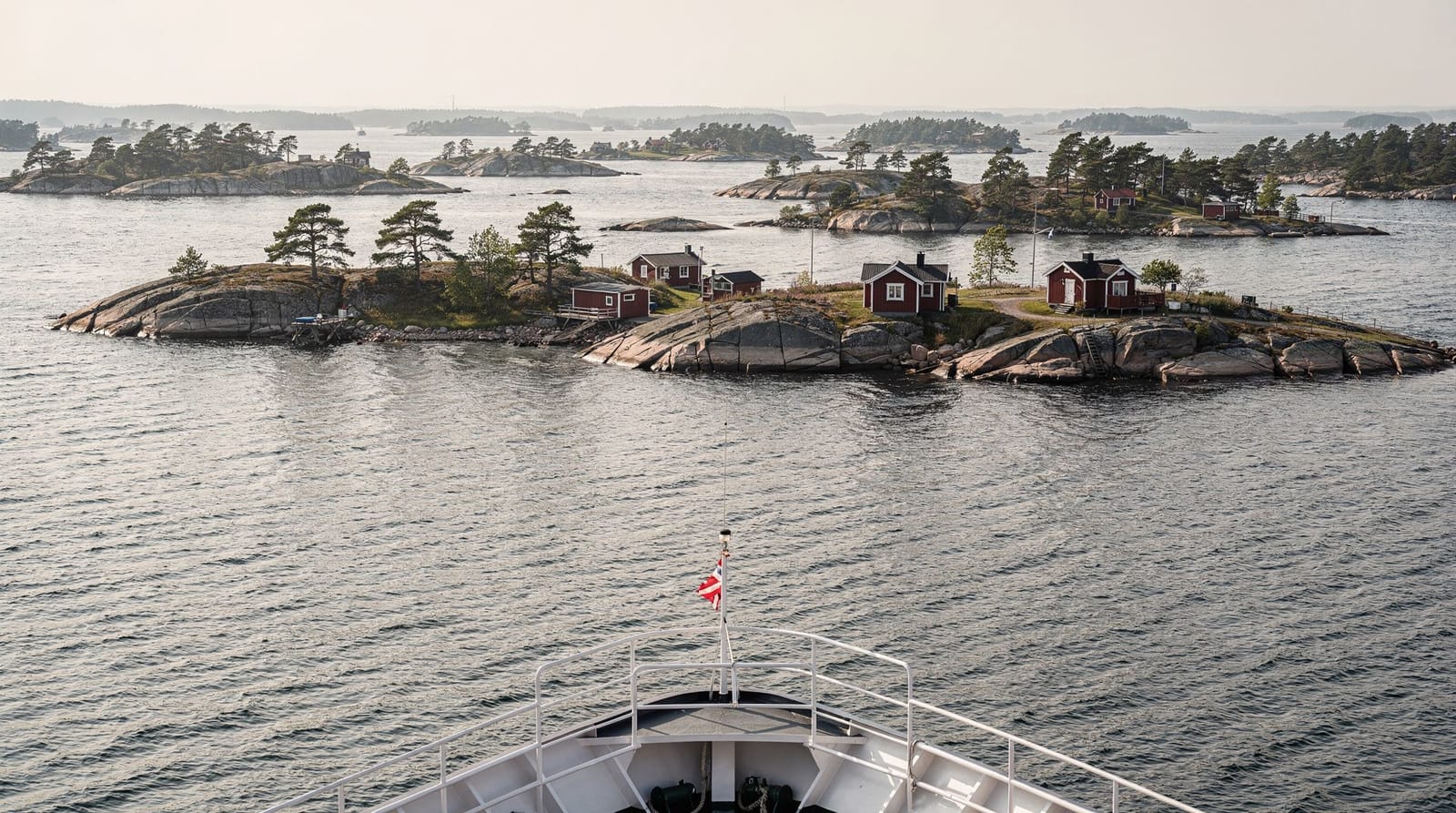
For more adventurous paddling, group SUP tours into the inner Stockholm archipelago typically launch from Nacka or Värmdö, east of the city, and cover distances of 8–15km depending on the day. These include transport from central Stockholm, a guide, all equipment, and often a stop on an uninhabited island for lunch.
The difference between city SUP and archipelago SUP is significant. The archipelago channels can have current from tidal movement and wind chop when the channels open to wider waters. Guides manage the route to avoid exposed sections in adverse conditions, but participants should expect more physical challenge than on the city waterways.
Season for archipelago tours: June–August. Early July sees the best conditions but also the most bookings — book 1–2 weeks ahead for weekend tours. For the fuller picture of how island-hopping works, see the Stockholm archipelago complete guide.
Renting a board without a lesson
Experienced paddlers who do not need instruction have two realistic routes. The first is renting directly from Stockholm SUP Tours at Djurgårdsbrunn and heading out on the canal independently — the simplest option since equipment, changing space, and toilets are all on site. The second is arranging delivery to Brunnsviken or another launch point through a specialist rental company; this costs more but avoids carrying a board on the T-bana.
Before renting solo, check the wind forecast. Stockholm’s inner waterways are sheltered, but a stiff northerly on Brunnsviken or a busy afternoon of boat wash on Djurgårdskanalen changes the difficulty considerably. Rental staff will generally advise against going out in genuinely poor conditions, but the final call on a self-guided rental is yours — unlike a guided kayaking trip or sailing outing, nobody is monitoring your return time.
Safety and when to skip it
Stockholm’s inner waterways are about as safe as SUP gets — flat, sheltered, well-populated with other water users who will notice a paddler in difficulty. That said, a few conditions are worth respecting: thunderstorms (get off the water immediately, lightning over open water is genuinely dangerous), strong wind warnings on Brunnsviken, and low visibility from fog, which occasionally affects the canal in early autumn mornings. Cold-water immersion outside the June–August window is the other real risk — a wetsuit is not optional once water temperatures drop below 16°C.
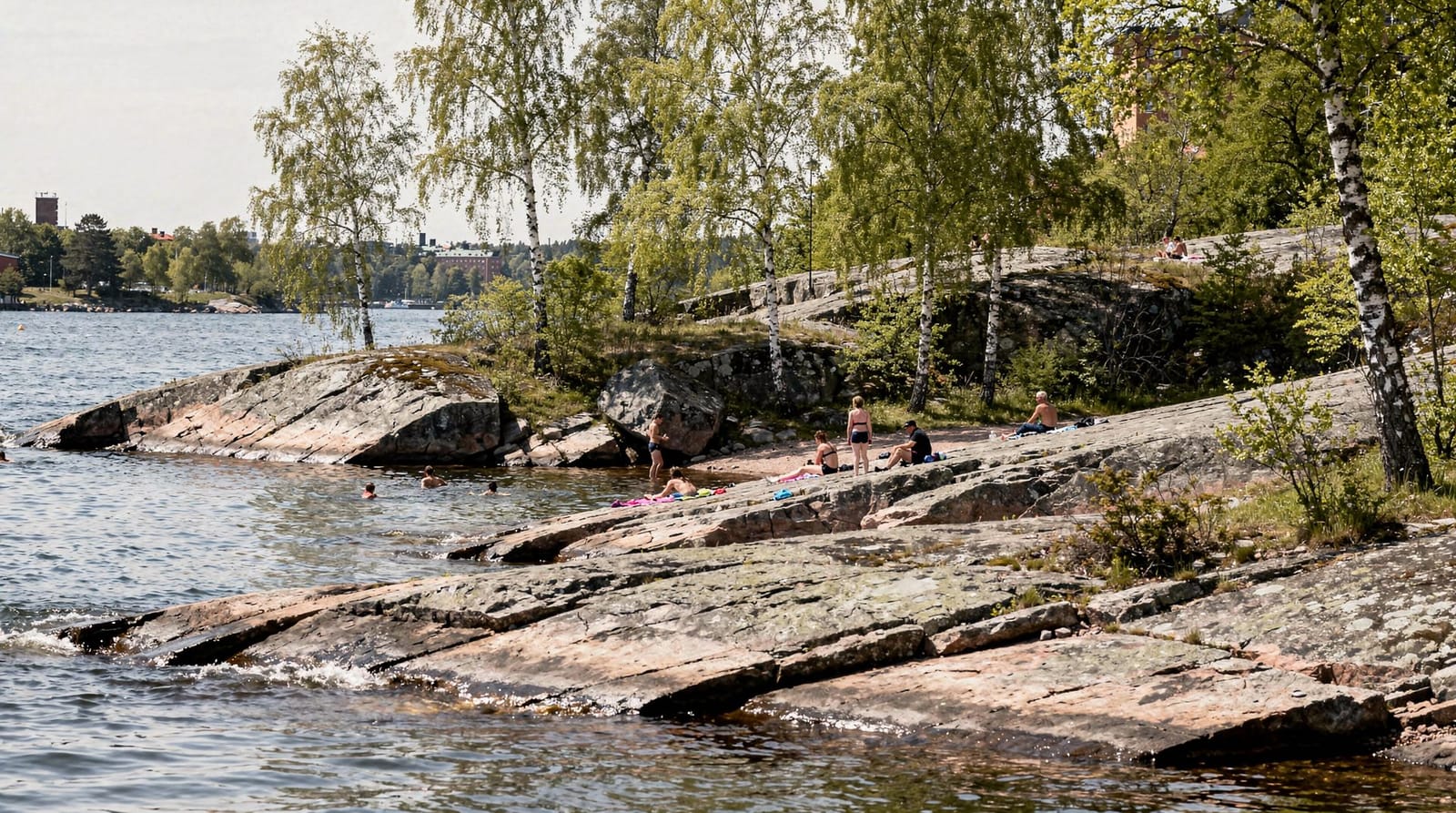
If none of that appeals and you would rather stay dry while still getting out on the water, the Stockholm swimming spots guide covers where locals actually go to cool off, and a scenic boat option remains a low-effort alternative for taking in the same views from a seat rather than standing.
Practical SUP information
What to wear
Tight-fitting clothing: Loose clothes drag when wet and make balance harder. Rash guards or close-fitting athletic wear are ideal. Swimwear under a rash guard is standard.
Wetsuit: Not required for city SUP in summer (June–August, water 17–22°C). For archipelago tours or early June/September, a 3mm short wetsuit improves comfort considerably. Tour operators typically provide wetsuits if needed.
Footwear: Bare feet or water shoes. Thick-soled shoes make balance on the board harder.
Sun protection: Water reflects UV strongly. Sunscreen, sunglasses (secured with a strap), and a cap are all worth wearing.
Balance tips for beginners
- Start on your knees, not standing, until the board feels stable
- Keep your feet parallel, hip-width apart, toes pointing forward
- Bend your knees slightly — stiff legs are the main cause of falling
- Look at the horizon, not the board
- Paddle close to the board’s rail for better directional control
- Falling off is normal and expected — the water is clean and buoyancy aids are provided
Group size and age limits
Most lesson and rental operations work with groups of 2–8. Solo rentals are available for experienced paddlers. Minimum age is typically 10–12 years depending on operator; children can share a board with an adult in calm conditions. Weight limits apply — typically 90–100kg maximum for standard boards; wider/thicker boards are available for heavier paddlers.
Comparing SUP and kayaking in Stockholm
| Factor | SUP | Kayak |
|---|---|---|
| Balance difficulty | Moderate for beginners | Easy |
| Visibility from water | High (standing position) | Lower (seated) |
| Speed | Slightly slower | Faster per hour |
| Wind effect | More vulnerable to wind | Less affected |
| Fitness required | Core strength useful | Less demanding |
| Equipment to carry | Board (rented, not portable) | Kayak (rented) |
| Best for | Scenic experience, fitness | Distance, stability |
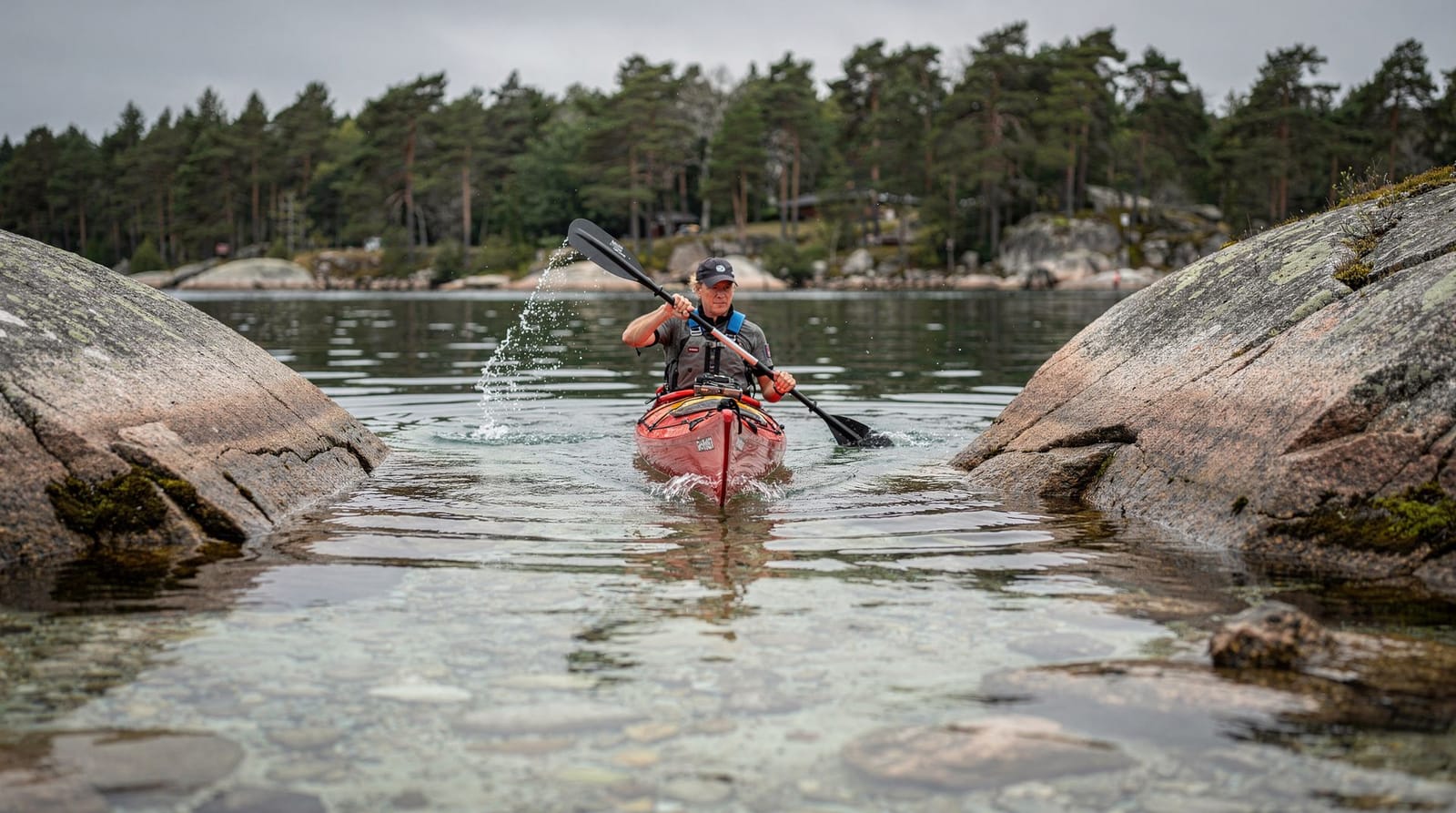
Both activities suit Stockholm’s inner waterways well. If you have limited time, kayaking is the more versatile option for covering the city and the archipelago. SUP is the better choice for a fitness-focused session with panoramic views.
Other ways to get out on the water or around the city under your own power are worth a look too: the cycling in Stockholm guide covers the routes that lead to Djurgårdsbrunn, and the archipelago boat tour guide suits anyone who wants the scenery without the balance work. For the bigger picture of the islands beyond the inner waterways, the Stockholm archipelago destination page is the place to start, and the Djurgården destination page covers what else is nearby.
Frequently asked questions about SUP in Stockholm
How difficult is SUP for a complete beginner?
Stockholm’s calm inner waterways make it significantly easier than sea SUP. Most beginners are standing and paddling independently within 20–30 minutes of the lesson start. Falling in is common in the first 15 minutes; after that, most people find their balance. The water is clean and there are always helpers nearby during lessons.
Can I do SUP in Stockholm in September?
Yes — September has some of the calmest water conditions of the year. The tourist crowds have reduced and the weather is often clear. Bring a wetsuit or ask the rental operator about one for water temperatures that drop below 16°C in late September.
Is SUP suitable for children?
Children aged 10 and above can usually manage a beginner SUP lesson. Children who are confident swimmers and have good balance (skateboarding, surfing, gymnastics experience) find it easier. Younger children can paddle kneeling without standing, which makes balance much simpler.
Are there SUP yoga or SUP fitness classes in Stockholm?
Yes — Stockholm SUP Tours and several other operators run SUP yoga sessions on Djurgårdskanalen in summer. These are popular (book 1–2 weeks ahead) and represent a particularly pleasant way to experience the canal environment. No yoga experience required.
What happens if I fall in?
You get wet. The water in Stockholm’s inner waterways is clean enough to swim in throughout summer. Buoyancy aids are mandatory. You will be helped back onto the board, which floats separately and does not sink. The main discomfort is cold water — manageable in summer, more significant in spring and autumn when a wetsuit is advisable.
Can I combine SUP with sightseeing?
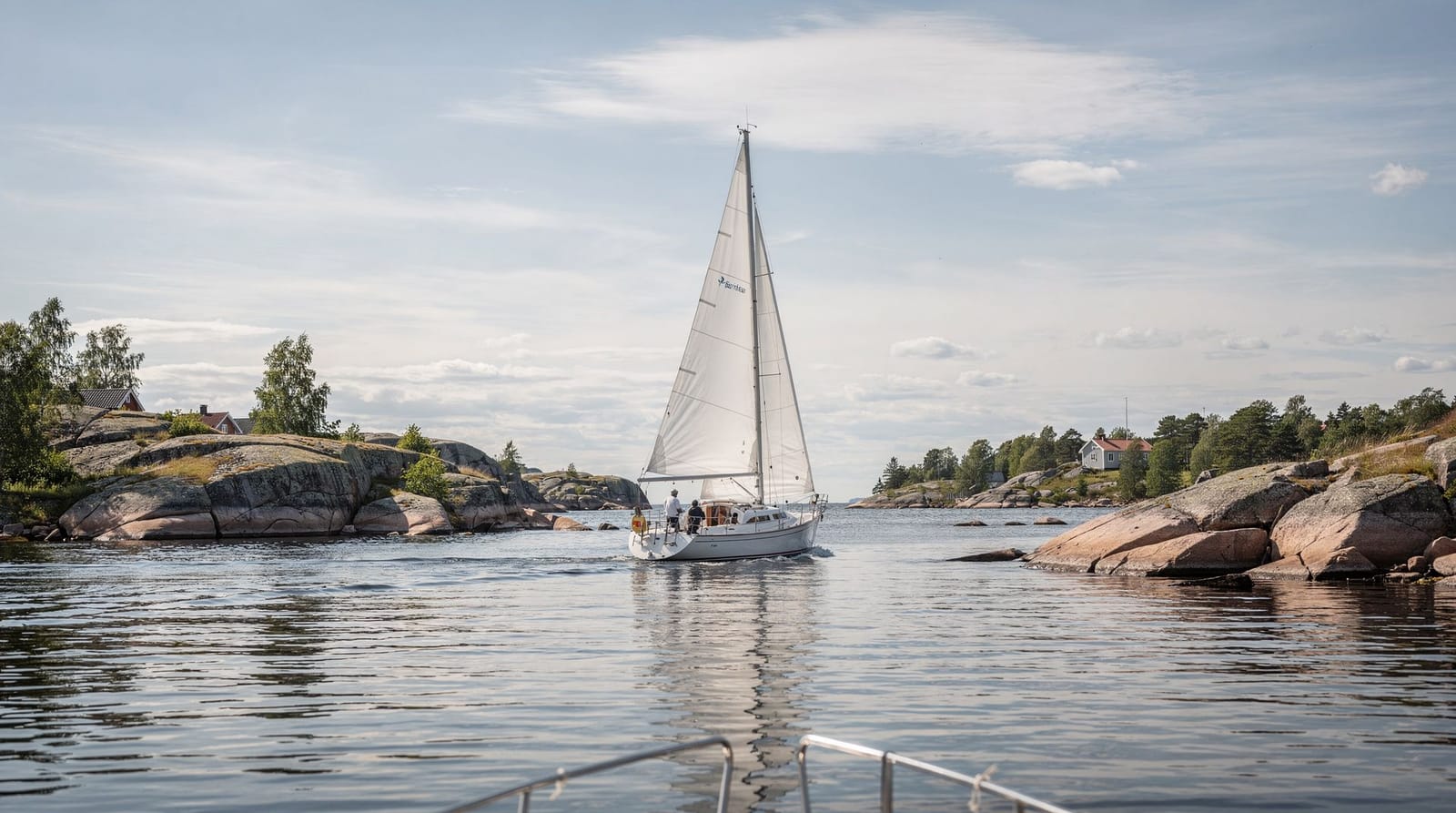
Yes — the Djurgårdskanalen route passes directly beneath the Nordiska Museet and close to several other Djurgården attractions, so a paddle works well bookended by a museum visit or a walk. Paddlers looking for a longer combined day sometimes pair a morning SUP session with an afternoon on the water via a sailing trip further into the archipelago.
Do I need my own SUP equipment?
No. Every option covered here — lessons, self-guided rentals, and archipelago group tours — includes board, paddle, and buoyancy aid in the price. Bringing your own board is only worth it for repeat visitors who paddle regularly and want a specific board type.
Top experiences
Bookable activities with verified prices and instant confirmation on GetYourGuide.