Stockholm flea markets and vintage shopping: the complete guide
Stockholm: Nordiska Museet entry ticket
Does Stockholm have good flea markets?
Yes — Hornstulls Marknad on Södermalm is Stockholm's best outdoor flea market, running on weekends from April/May through September along the Hornstull waterfront. The SoFo area of Södermalm has several permanent vintage shops on Götgatan and Skånegatan. The indoor Loppmarknad near Vasagatan runs year-round.
Vintage and second-hand in Stockholm: why it’s good
Stockholm has a strong second-hand culture. This comes partly from the Swedish design tradition (people buy quality goods and maintain them, which means second-hand markets have better stock than average) and partly from a well-established consignment and resale market that has operated in the city for decades.
| Where | Hornstull waterfront (outdoor, seasonal); Södermalm’s Götgatan (permanent shops) |
| Cost | Around 50–600 SEK for most vintage pieces; furniture varies |
| Time needed | 2–3 hours for a proper browse of Hornstull; less for the permanent shops |
| Getting there | T-bana red line to Hornstull, or Medborgarplatsen/Slussen for Götgatan |
| Best time | Saturday morning, April–September, for the freshest outdoor stock |
The results are better than many European capitals: Hornstulls Marknad has genuinely interesting vintage clothing, furniture, and household goods at prices that reflect a real market rather than artificially inflated tourist rates. The Götgatan vintage stores on Södermalm are proper curated shops, not costume-rental storerooms.
This guide covers the outdoor markets (seasonal), indoor markets (year-round), and the best permanent vintage shops for different categories — clothing, furniture, homeware, books, and records.
Outdoor markets
Hornstulls Marknad — the main event
Stockholm’s largest and most visited outdoor flea market, held on the waterfront at Hornstull (western tip of Södermalm).
Schedule: Weekends from approximately mid-April through September. Saturday and Sunday, 10am–5pm (approximate; some stallholders set up from 9am). Final dates depend on weather and organiser schedule; check hornstull.se for the current year’s calendar.
What’s there: Around 200–300 stalls depending on the day. Mix of vintage clothing (the strongest category), vintage and mid-century furniture, records and books, plants, craft goods, food stalls, and household objects. The quality is genuinely variable — some stalls have excellent curation; others are household clearance with no particular focus.
The useful zones: The clothing section (central to the market) has the most interesting vintage for fashion buyers — Swedish vintage (particularly 1960s–80s sportswear, workwear, and knitwear) is good quality and relatively inexpensive by vintage market standards. The furniture section (larger pieces along the waterfront) has occasional mid-century Scandinavian pieces worth examining.
Getting there: T-bana to Hornstull (red line), then walk north to the waterfront (5 minutes). The market is clearly visible from the bridge.
What to bring: Cash is preferred at most stalls, though many now accept Swish (the Swedish mobile payment system — requires a Swedish bank account, so not useful for most tourists) or card. Bring 500–1,000 SEK in cash for small purchases; larger furniture deals are typically cash. For a fuller picture of how tourists actually pay their way around the city, see the Swish and cards payment guide.
Honest assessment: Worth a morning if you are interested in vintage clothing or Scandinavian mid-century domestic items. Not worth a special trip if you are looking for specific luxury vintage or rare antiques — this is a neighbourhood flea market, not a specialist fair. The atmosphere is genuinely good; the food stalls have decent coffee and Swedish street food.
Liljeholmskajen — seasonal extension
On the Liljeholmen waterfront (just across the bridge from Hornstull on the Liljeholmen side), additional market stalls operate during the Hornstull market season, particularly on summer weekends. Slightly more focused on plants, food, and craft goods than clothing.
Getting there: Same T-bana stop as Hornstull (or Liljeholmen, one stop before), walk to the waterfront.
Indoor markets (year-round)
Loppmarknad Vasagatan (Stockholms Loppmarknad)
An indoor flea market operating year-round near Vasagatan in Norrmalm/Vasastan. Multiple independent dealers operate fixed booths within the market hall, covering everything from glassware and ceramics to vintage clothing, books, and tools.
When to go: Weekdays are quieter; weekends have more foot traffic and sometimes more interesting stalls. Open approximately 11am–6pm most days; check current hours before visiting.
What you will find: More household-clearance style than curated vintage — expect to dig through boxes of glass and ceramics for the occasional interesting piece. Less fashion-forward than Hornstulls but better for homeware finds.
Location: Near Vasagatan in central Norrmalm — walking distance from T-Centralen.
Permanent vintage shops
Stockholm Vintage (Götgatan, Södermalm)
A cluster of vintage clothing shops on Götgatan, the main commercial street of Södermalm, between Medborgarplatsen and Slussen. Several independent shops here focus on different eras and categories:
What’s available: Swedish vintage from the 1960s through 1990s; some international vintage; military surplus; workwear. The best concentration of shops is between Götgatan 50–90.
Quality and price: Generally curated rather than raw — the shops have done the selection work, which means prices are higher than a market stall but the quality is more consistent. Expect 200–600 SEK for a good vintage piece; exceptional items higher.
Vintage Loppmarknad on Götgatan: Several locations along this stretch have a hybrid format — indoor stalls combining vintage clothing, records, and household goods.
Myrorna
Sweden’s most established second-hand chain, operated by the Salvation Army. Myrorna shops are genuine value-hunting territory — the stock is donated and priced below market rates, meaning occasional exceptional finds at low prices. The Stockholm locations include Södermalm and several outer neighbourhoods.
What you find: Primarily clothing, but also books, household goods, and furniture. The quality is unpredictable — excellent visits alternate with disappointing ones. If you have an hour and enjoy the hunt, Myrorna is worth visiting.
Location: Multiple Stockholm addresses; myrornabutiken.se for current stores.
Humana
Another major Swedish second-hand chain, with several Stockholm locations and a stronger focus on fashion than Myrorna. The curated vintage sections at larger Humana stores can be excellent. Check the current store locations on humana.se.
Record shops
For vinyl, Stockholm’s vintage stores include:
Pet Sounds (Södermalm): One of Stockholm’s most respected record shops, with new and used vinyl across all genres. Particularly good for Swedish and Nordic music.
Bengans (multiple locations): Larger format, extensive used section, reliable stock.
Rönnells Antikvariat: For second-hand books including English-language titles about Sweden, Stockholm, and Scandinavian culture — a useful stop for the reading traveller.
What to look for in Stockholm vintage
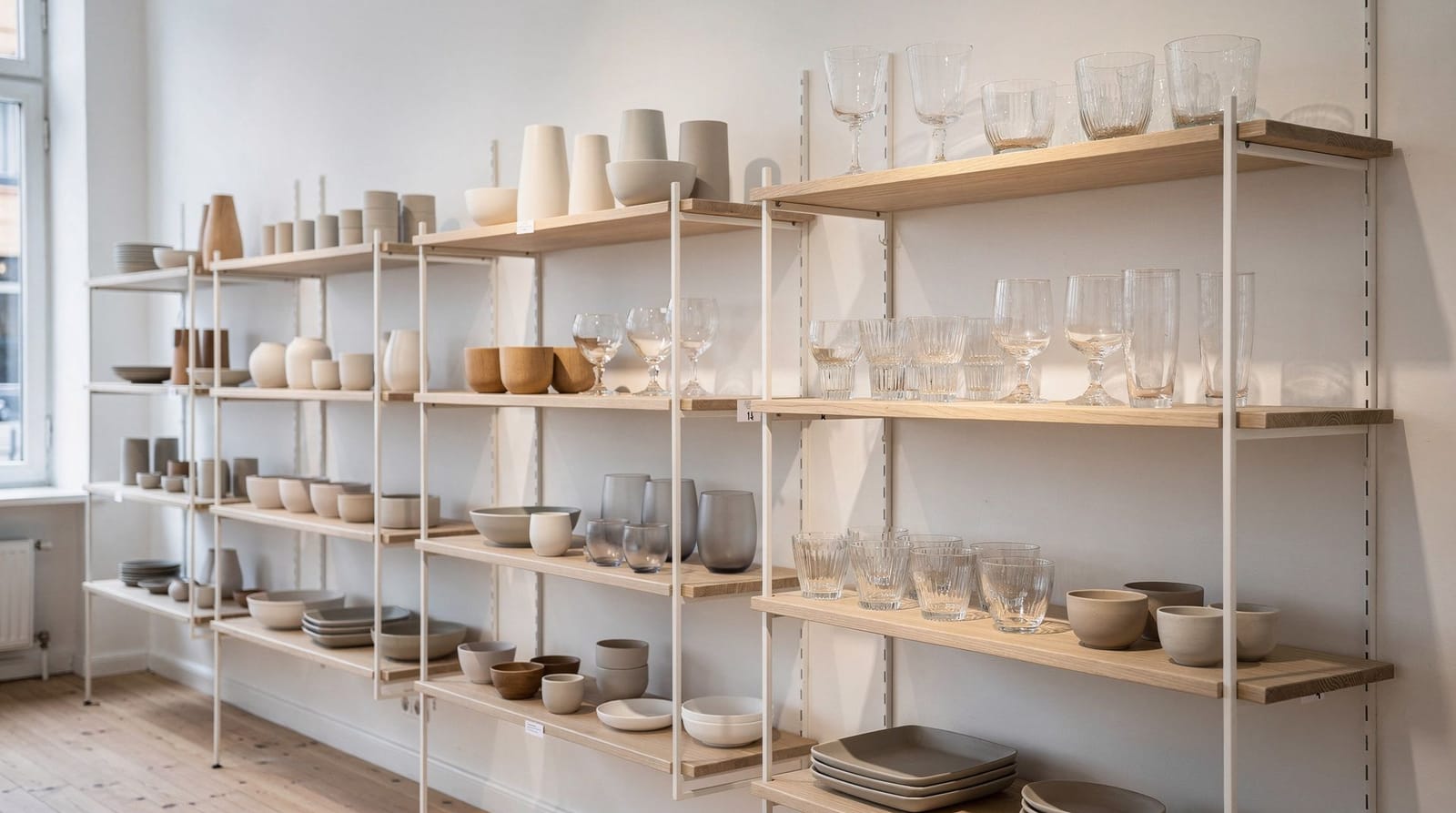
Swedish mid-century design: The 1950s–70s period is well-represented at Stockholm’s markets. Gustavsberg ceramics (simple, elegant, often in the distinctive Stig Lindberg designs), Arabia Finnish pottery (widely used in Sweden), mid-century glass from Kosta Boda and Orrefors, and teak furniture from Swedish mid-century makers. These are genuinely collectible and the supply in Stockholm is better than in most cities.
Swedish workwear and sportswear: Swedish vintage workwear — particularly canvas and cotton pieces from the 1960s–80s — has significant resale value in international fashion markets. Stockholm’s markets sometimes have good pieces at local rather than export prices.
Books in English: Stockholm’s antique book shops and market stalls have a good supply of English-language books about Sweden, Scandinavia, and design. If you want to bring home something intellectually Swedish, a well-selected second-hand book is a good choice.
Vintage versus new Swedish design
If Hornstull’s mid-century finds spark an interest in Swedish design more broadly, it’s worth pairing a vintage-hunting day with a visit to the current retailers carrying similar aesthetics new — Granit and DesignTorget both stock updated homeware in the same functional, unornamented tradition that made the vintage pieces desirable in the first place. The Stockholm design shopping guide covers where to find genuine new Swedish design if the flea markets leave you wanting something without the hunt. Prices are naturally higher new, but the two approaches complement each other well on a longer Stockholm visit.
Combining a market day with the rest of Södermalm
Hornstull and the Götgatan vintage strip both sit within Södermalm, so a market morning slots naturally into a wider day exploring the neighbourhood’s cafés, viewpoints and independent shops. Avoid trying to combine a serious Hornstull browse with Gamla Stan or Norrmalm sightseeing on the same morning — they’re a T-bana ride apart, and the market rewards unhurried time rather than a rushed stop between other plans.
Turning a market morning into a full day
A market browse pairs well with something indoors, especially because Hornstull is weather-dependent. If the stalls are thin or the rain sets in, a museum is the natural fallback, and the rainy-day museum guide lists options. For design lovers, the Nordiska museet fits the mood of a vintage morning: you can book entry to the museum of Nordic cultural history in advance, and it puts the everyday objects you have just been handling into context. If you prefer modern art, the Moderna Museet guide and the Fotografiska guide cover two other afternoon options, and you can reserve a ticket to the photography museum ahead of time.
Food matters too. Hunting through stalls works up an appetite, and the Södermalm food scene guide is a good place to plan lunch, while the fika culture guide explains why a coffee-and-bun stop is part of any proper browse. If you want to see more of the district on foot afterwards, the Södermalm walking tour guide gives a route that links the shops and viewpoints.
A few practical points help the day run smoothly:
- Buying vintage can quickly fill a bag, so read the luggage storage guide if you are leaving the city the same day and need somewhere to leave purchases.
- Compare what you find with the souvenir shops warning: a second-hand ceramic or knit is usually a more honest keepsake than a mass-produced trinket.
- Keep an eye on your overall spending using the Stockholm budget per day guide, since market purchases are easy to underestimate.
- Getting to Hornstull is straightforward once you understand how public transport works, and the SL pass guide helps you decide whether a pass is worth it if you are travelling around a lot.
- Pack layers and comfortable shoes; the what to pack guide covers what to bring for different seasons.
If your trip is short, a market morning can slot into a wider plan such as the two-day essential itinerary or the three-day first-timer itinerary. Visitors with only a single day should look at Stockholm in 24 hours first and treat a market as an optional extra. The Stockholm destination page offers a broader overview of what else is on offer around the city.
Seasonal calendar
| Market/Event | When | Where |
|---|---|---|
| Hornstulls Marknad | Weekends Apr–Sep | Hornstull waterfront |
| Liljeholmskajen market | Weekends Jun–Aug | Liljeholmen waterfront |
| Stockholm Vintage fairs | Occasional — check calendar | Various venues |
| NK/Saluhallen antiques | Autumn | Östermalm |
| Loppmarknad Vasagatan | Year-round | Norrmalm |
Frequently asked questions about Stockholm flea markets
When is the Hornstull market?
Hornstulls Marknad runs on weekends (typically Saturday and Sunday) from approximately mid-April through September. The exact season start and end dates vary by year — check hornstull.se for the current year’s calendar. The market runs rain or shine; some stalls do not set up in heavy rain.
Can I pay by card at Stockholm flea markets?
At Hornstulls Marknad, roughly half the stalls accept card payment; the rest are cash only. Swish (Swedish mobile payment) is widely accepted but requires a Swedish bank account. Bring 500–1,000 SEK in cash for small purchases. For larger items, cash is strongly preferred.
Is the Stockholm vintage scene good for clothing?
Yes — particularly for Scandinavian vintage from the 1960s–80s (workwear, knitwear, denim) and for curated Swedish design pieces. The quality of vintage clothing available in Stockholm is generally higher than in comparable-size cities because Swedish consumers historically bought quality goods and maintained them well. The SoFo area of Södermalm has the best permanent vintage clothing shops.
Are antique furniture pieces available at Stockholm markets?
Yes, though proper antiques require either dedicated antique shops or the larger fairs. Hornstulls Marknad occasionally has interesting mid-century Scandinavian furniture; the permanent stalls at Loppmarknad Vasagatan have more consistent furniture stock. For serious antique shopping, Stockholm’s dedicated antique dealers (concentrated on Östermalm and in Vasastan) are more appropriate.
What is the best time to arrive at Hornstull market?
Saturday mornings from 9–10am have the freshest stock and smallest crowds. By 1pm in summer the market is at its busiest. If you want to find the best pieces before other buyers, arrive early on the first day of the weekend (Saturday) rather than Sunday when stock is picked over.
Can I combine flea market shopping with new Swedish design shopping?
Yes, and it works well as a pairing. Vintage hunting at Hornstull or on Götgatan gives a sense of the design tradition’s roots, while the Stockholm design shopping guide covers where to buy the same aesthetic new if the market doesn’t turn up what you want. Many visitors do a market morning followed by an afternoon at Granit or NK.
Is Hornstull worth it if I only have one day in Stockholm?
Probably not as a priority — with only one day, the core sights (Gamla Stan, Vasa Museum, Djurgården) come first. Hornstull rewards a second or third day when you have time to browse unhurried and it happens to be a weekend between April and September. If your one day is a Saturday and you’re already staying near Södermalm, an early-morning hour before the main sightseeing can work.