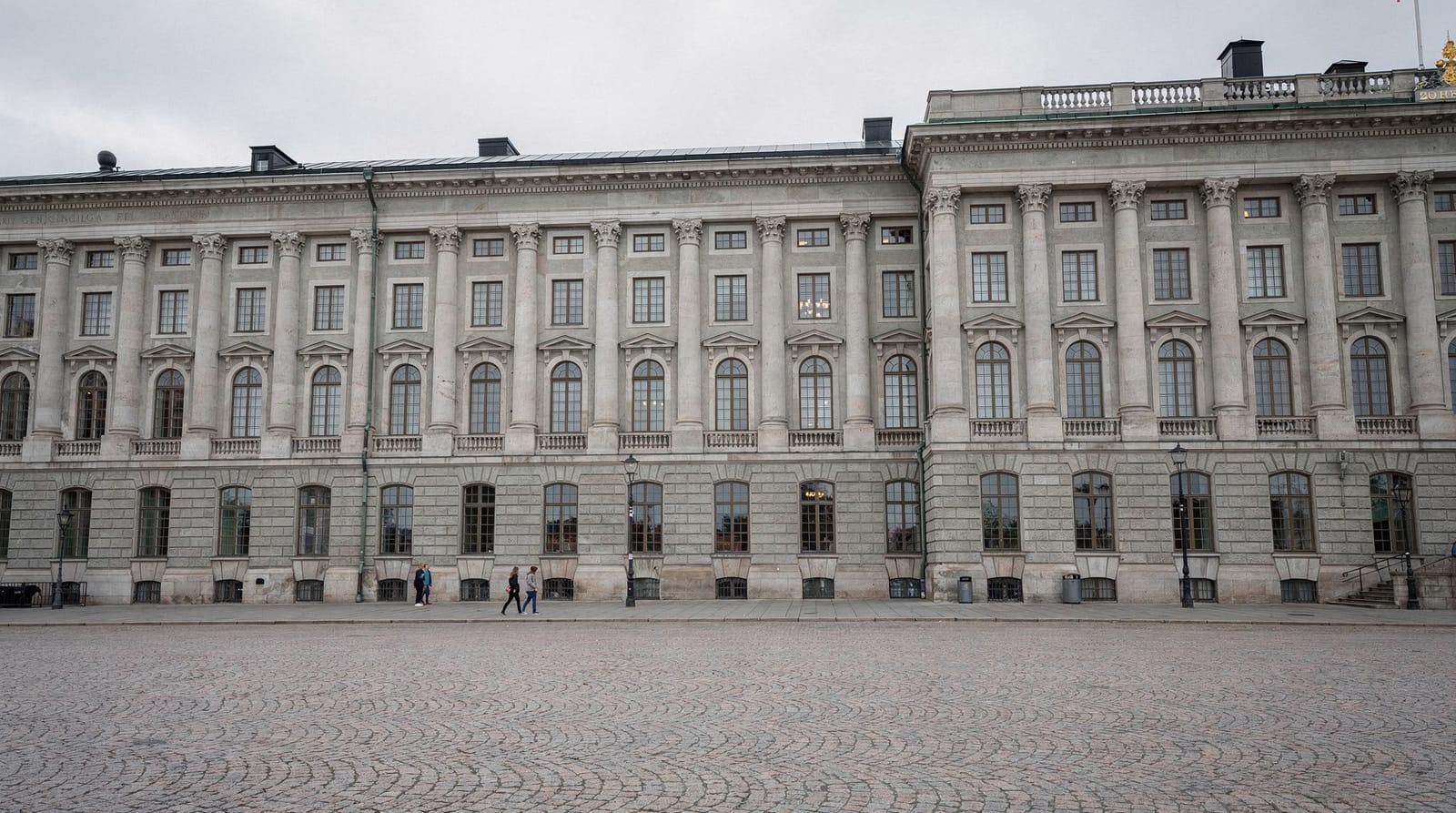
Army Museum Stockholm guide: Sweden's dramatic military history museum
Stockholm: Vasa Museum entrance ticket
Is the Army Museum in Stockholm free?
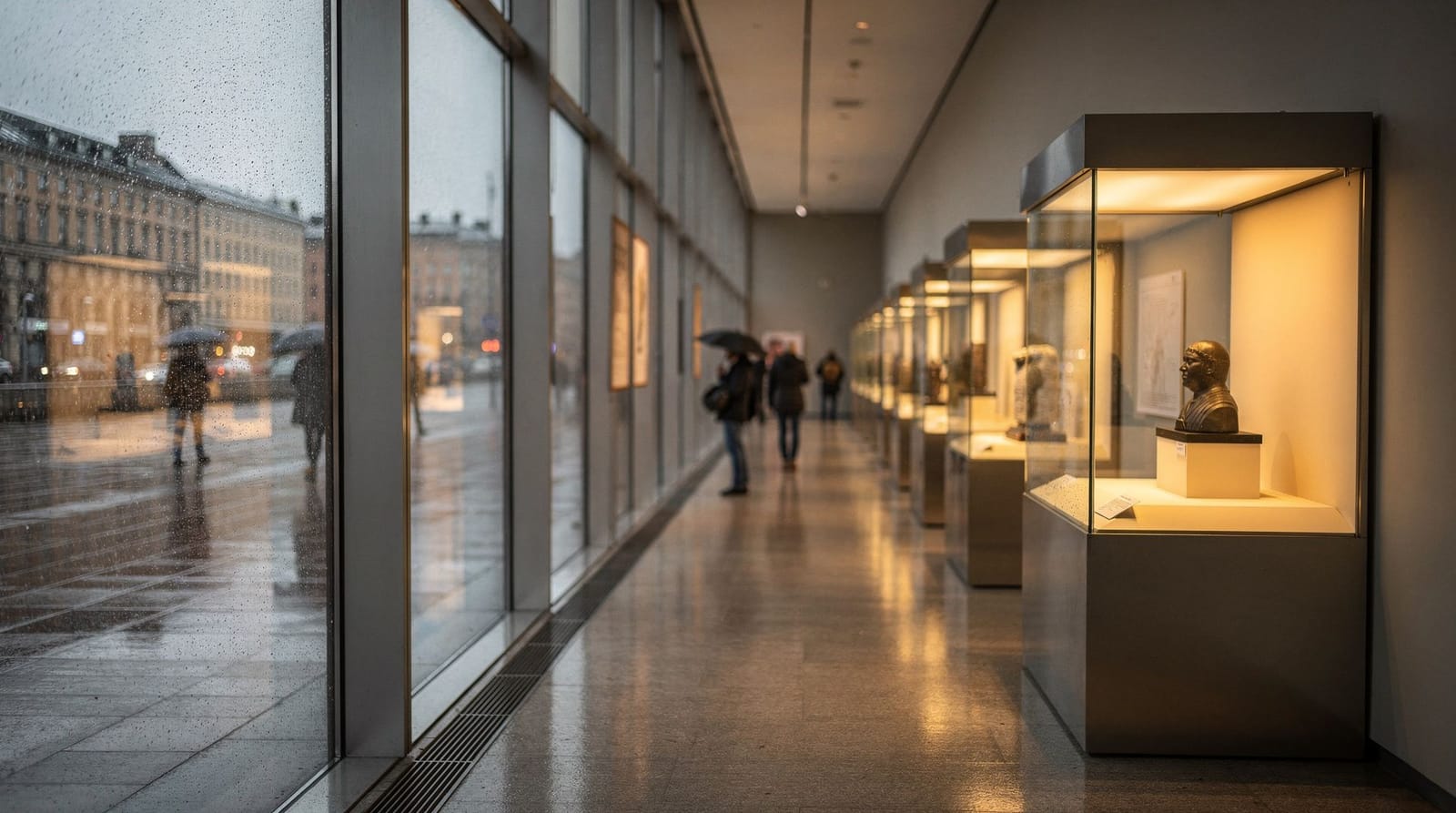
No, not for adults: entry to Armémuseum (Army Museum) in Östermalm is 140 SEK (95 SEK for seniors and students), and free for under-19s. It is one of Stockholm's most dramatically designed museums, covering Swedish military history from the Viking Age to the 20th century with life-size recreated battle scenes. A strong choice for a rainy day.
Dramatic and often overlooked
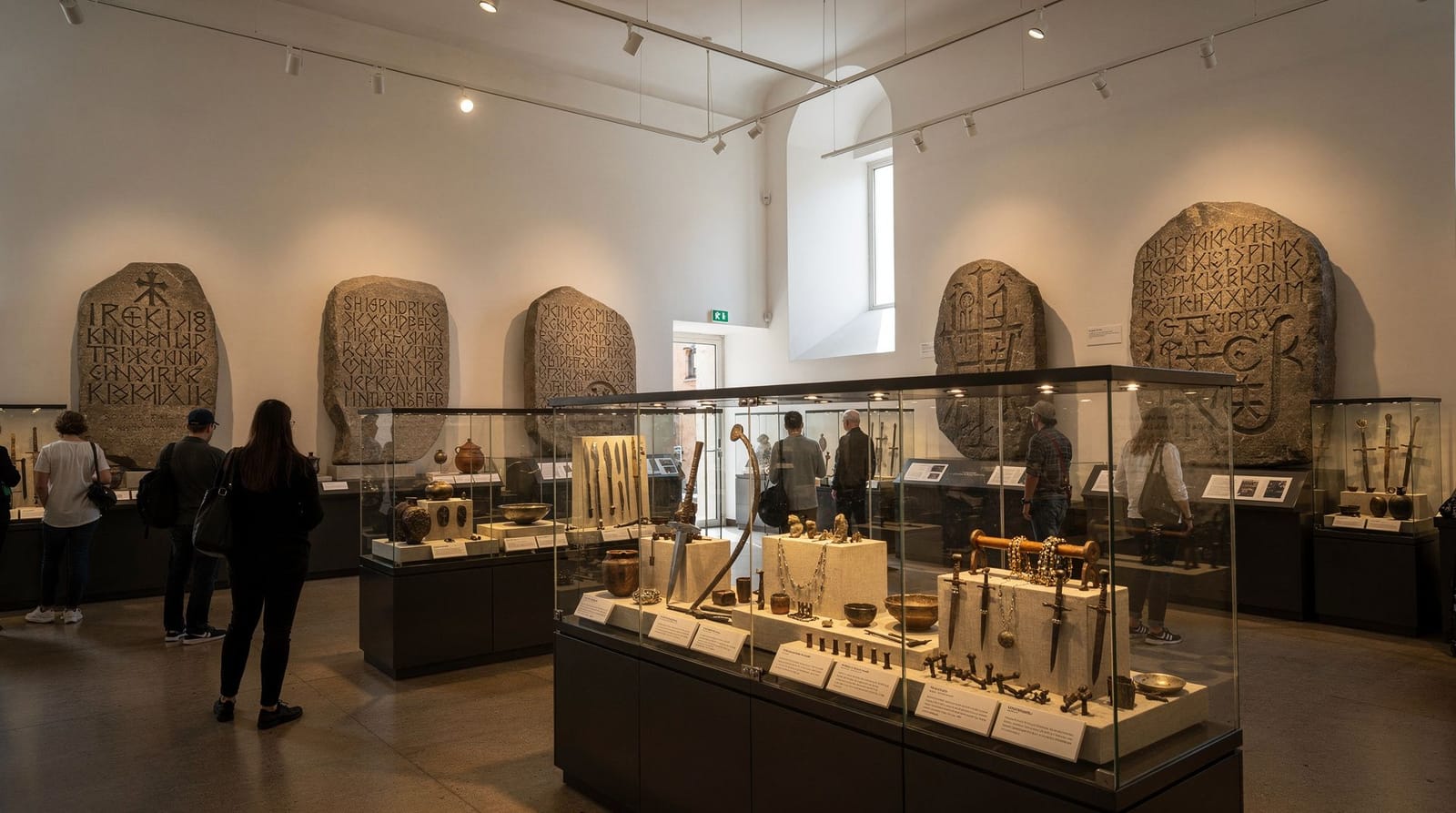
The Army Museum — Armémuseum — on Riddargatan in Östermalm is consistently listed among Stockholm’s underrated museums by visitors who happen upon it. The permanent collection covers Swedish military history from the Viking Age to the 20th century, and entry is modest (140 SEK for adults, free under 19). What distinguishes it from similar institutions elsewhere in Europe is the quality of the display design: the museum uses large-scale theatrical set pieces — recreated battlefield scenes, life-size dioramas, and environmental reconstructions — to convey the experience of war with an honesty that museum design rarely achieves.
The building itself is significant: the 18th-century military storehouse was converted to a museum in the 1870s, and the main hall retains the proportions and character of its original function as an arms depot.
Practical essentials
| Detail | Information |
|---|---|
| Address | Riddargatan 13, Östermalm |
| Opening hours | Tue–Sun 11:00–17:00 (Wed until 20:00); closed Monday |
| Admission | 140 SEK adult, 95 SEK seniors/students, free under 19 |
| Recommended time | 1.5–2 hours |
| T-bana | Östermalmstorg (Green line 17/18/19), 5 min walk |
What to see
The Great Power era: 17th-century Sweden
Sweden’s 17th century is the museum’s centrepiece period. The Swedish Empire (Stormaktstiden, roughly 1618–1718) at its peak controlled Finland, Estonia, Latvia, and territories along the south Baltic coast. The wars that created and defended this empire are covered in detail, but the museum’s most distinctive contribution is its treatment of the civilian experience.
The village in winter, 1630s: A recreated village scene shows a Swedish peasant community during a period of military conscription and taxation. The display does not present the imperial period heroically — it shows what it cost in human terms. Soldiers are being taken; the family is left with reduced labour and increased tax burden. The scene is quietly devastating.
The plague exhibition: The 17th century saw repeated plague outbreaks across the Swedish territories. A full-scale recreation of a plague scene — detailed enough to be genuinely disturbing — shows the reality of epidemic disease in the period. This is not standard museum fare; the directness is part of the museum’s identity.
Armour and weapons: The 17th-century armour hall displays cavalry armour and weapons from the Stormaktstiden period in conventional display terms — but the quality and quantity of the surviving pieces is impressive. The armour worn by Swedish cavalry in the Thirty Years War includes complete field sets of breastplate, backplate, helmet, and limb protection that give a visceral sense of the physical weight of early modern warfare.
Carl XII and the fall of the empire
Karl XII (reigned 1697–1718) is one of Sweden’s most debated historical figures — a military genius who spent almost his entire reign at war and ended it with the empire essentially dissolved. The museum covers his campaigns with genuine balance: the victories of the early campaigns, the catastrophic defeat at Poltava (1709) which effectively ended Swedish great power status, and the strange final years of his reign. The portrait of Karl XII and the display of his personal effects — boots, sword, coat — are among the most visited objects in the museum.
Sweden in the World Wars
Sweden maintained neutrality in both World Wars. The museum’s 20th-century sections cover this neutrality with appropriate complexity — the compromises involved in Swedish neutrality in World War II (including allowing German troops to transit Swedish territory in 1940–43) are not elided. The exhibits on Swedish preparation for potential invasion, the war industry, and the refugee experience are among the most honest treatments of this politically sensitive period in any public Swedish institution.
The 20th century and UN peacekeeping
Sweden has been one of the most significant contributors to UN peacekeeping operations since the 1950s. The museum covers this extensively, with particular attention to the Congo (1960s) and Balkans (1990s) operations. This section positions Sweden’s current international military identity in contrast to the imperial past — a useful context for understanding contemporary Swedish foreign policy.
Planning your visit around the season
The Army Museum works well as a year-round indoor activity, but its value peaks on days when the weather rules out an archipelago boat trip or a walk through Djurgården. Winter afternoons, when it gets dark by mid-afternoon, suit the museum’s theatrical, dimly-lit staging particularly well — the recreated scenes feel more immersive under low light than they would on a bright summer day. Summer visitors should note that Stockholm’s outdoor sights compete hard for time in June to August, which is exactly why Wednesday evening (open until 20:00) is worth keeping in reserve: it lets you fit the museum in after a full day outside without sacrificing daylight hours elsewhere.
Insider tips
The 17th-century sections are the unmissable part. If you only have 60 minutes, spend the majority of it in the Swedish Empire period. The recreated village and plague scenes are what visitors remember and recommend; the later sections are informative but less dramatically designed.
Wednesday evenings are quiet. Extended hours until 20:00 and significantly fewer visitors than weekend afternoons. One of Stockholm’s best quiet evening activities.
Combine with Swedish History Museum. Both are in Östermalm (140 SEK and 180 SEK for adults; both free for children and teens). The History Museum covers the archaeological record up to the medieval period; the Army Museum covers the military history from the medieval period onward. Together in a single afternoon they cover an enormous sweep of Swedish history. See the Swedish History Museum guide.
The building’s main hall is worth noting. The original 18th-century storeroom structure is visible in the building’s main hall — the proportions and the surviving ironwork give a sense of the building’s original function.
History of the museum
The building on Riddargatan was constructed in 1760 as a royal arms depot (Artillerigården). The Army Museum was established in the building in 1879, initially as a collection of military equipment for reference and training purposes. It gradually became a public-facing historical institution through the late 19th and early 20th centuries.
The major renovation and redesign in the early 2000s produced the current dramatic display approach, which received significant critical attention when it opened. The renovation was funded partly by the Swedish Defence Forces and partly by government cultural heritage funding.
Tickets and passes
Admission: 140 SEK adult, 95 SEK seniors and students, free for under-19s.
Temporary exhibitions: Occasional paid temporary exhibitions — check the website.
At 140 SEK it is a modest add-on, so check whether the Stockholm museum pass is worth it for your day before buying it only for this museum. It is also one of the best entries on any rainy day museum shortlist for exactly that reason.
How to pace a visit
Treat the museum as a story told in order rather than a room-by-room checklist. Start with the Great Power period while your attention is fresh, because the village and plague scenes ask for the most patience and reward slow looking. Read the short wall texts before you step into a recreated scene: they explain who the figures are meant to be, and the staging makes far more sense once you know the human story behind it. Then move on to Karl XII, the World Wars and the peacekeeping sections at a quicker pace, stopping only where something catches your eye.
If you are visiting with a companion who is less interested in military history, agree on a meeting point and let each person drift at their own speed. The theatrical sets tend to win over sceptics, but armour halls and uniform cases can feel repetitive to anyone not already hooked. Leave a little time at the end to return to whichever scene struck you most; a second look often reveals details you missed the first time through.
Pairing it with Stockholm’s other history museums
The Army Museum answers a particular question: what did the state’s wars cost the people who lived through them? Other museums answer different ones. The ship raised from the harbour at the Vasa Museum shows ambition and failure at the height of the same Great Power era, and visitors who want to see it without queuing can look at entry to the Vasa Museum before they travel. The Medieval Museum covers the city’s earliest streets and everyday life (the museum itself has been closed since November 2023), while the Nordiska Museet guide turns to the domestic side of Swedish history, from clothing to table settings.
Taken together, these places form a loose chronology. You could spend one day on the earliest centuries, another on the imperial period, and a third on how ordinary households lived. The Army Museum sits in the middle of that arc and gives the other stops their emotional weight, which is why it works so well as an unplanned addition rather than a headline attraction.
If you want open air after the museum
After a couple of hours in dim, atmospheric halls, many visitors want daylight and space. The open-air museum on Djurgården, described in the Skansen guide, is a natural counterpart: rural buildings and historical farmsteads that echo the village life glimpsed in the 17th-century scene. Those planning that day can compare admission to Skansen in advance. For a wider sense of the surrounding streets, the Östermalm neighbourhood deep dive suggests places to wander once you step back outside.
Why it earns a place next to the Royal Palace
Visitors often pair a formal look at Swedish statehood with a look at how that state made war. The Royal Palace guide covers the ceremonial and political history of the monarchy in detail; the Army Museum shows the human cost side of the same centuries, particularly the 17th-century Stormaktstiden period covered above. Seeing both in the same trip — even on separate days — gives a fuller picture than either alone.
Accessibility
Lift access to all floors. Wheelchair-accessible toilets. The Riddargatan location in Östermalm is accessible by T-bana from Östermalmstorg.
Getting there
T-bana: Östermalmstorg (Green lines 17/18/19). Walk north along Brahegatan and east on Riddargatan — approximately 5 minutes.
From Swedish History Museum: A 10-minute walk west along Storgatan.
Bus: Route 56 and 76 stop nearby.
Where to eat nearby
Lisa Elmqvist (Östermalmstorg, inside Östermalms Saluhall): Stockholm’s best traditional seafood restaurant inside the covered market hall. Excellent for a post-museum lunch — herring, gravad lax, and shellfish at market prices.
Matbaren (Grand Hôtel, Blasieholmskajen 8): One stop more towards the city, Marcus Samuelsson’s bistro at the Grand Hotel serves an excellent Swedish-influenced lunch menu.
Café Saturnus (Eriksbergsgatan 6): The famous large cinnamon bun café is a few minutes’ walk from the museum — a logical fika stop.
Combine with
Swedish History Museum: A 10-minute walk away, covering the archaeological and medieval history that precedes the Army Museum’s military narrative. Both charge adults (140 and 180 SEK). See the Swedish History Museum guide.
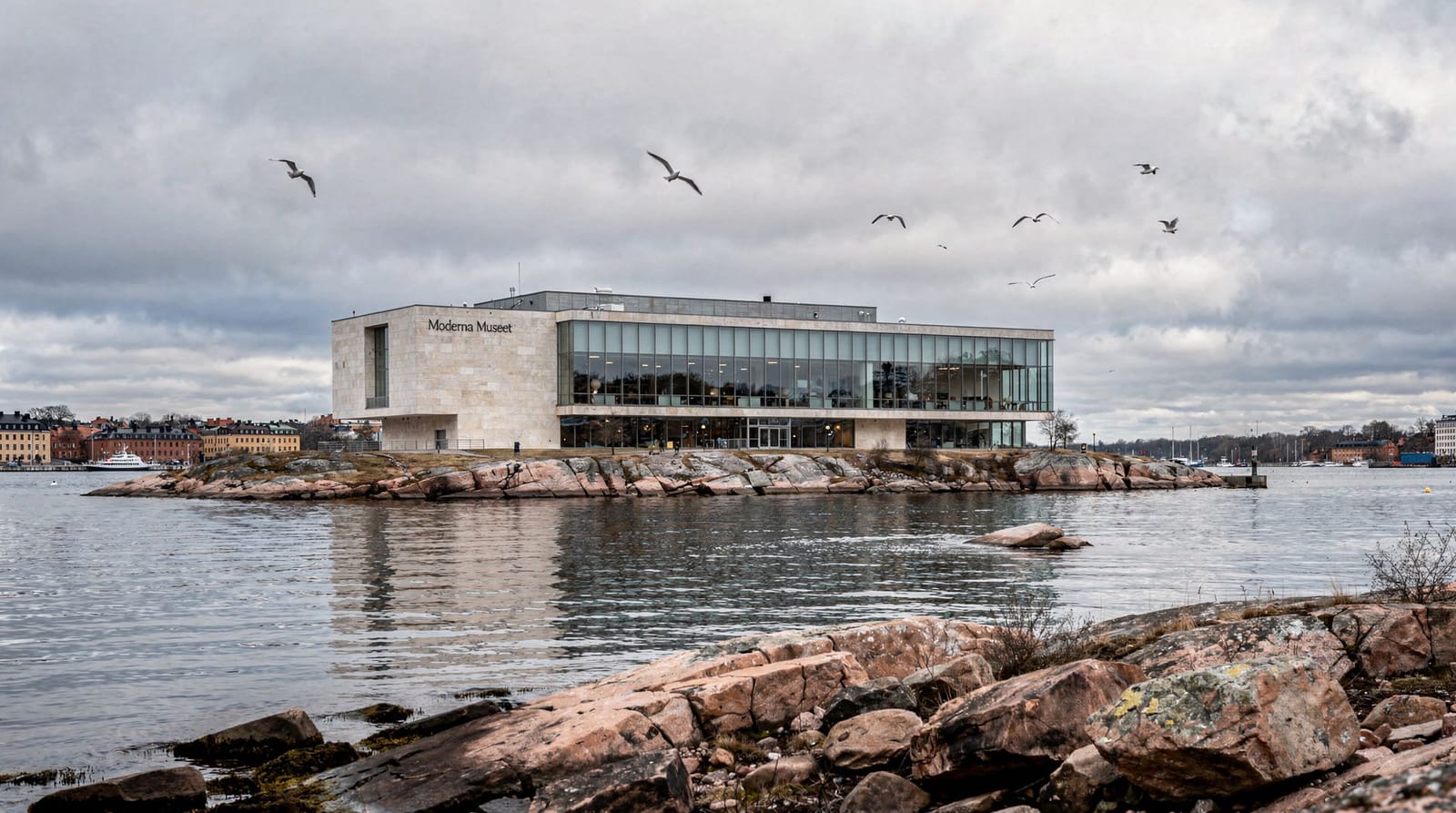
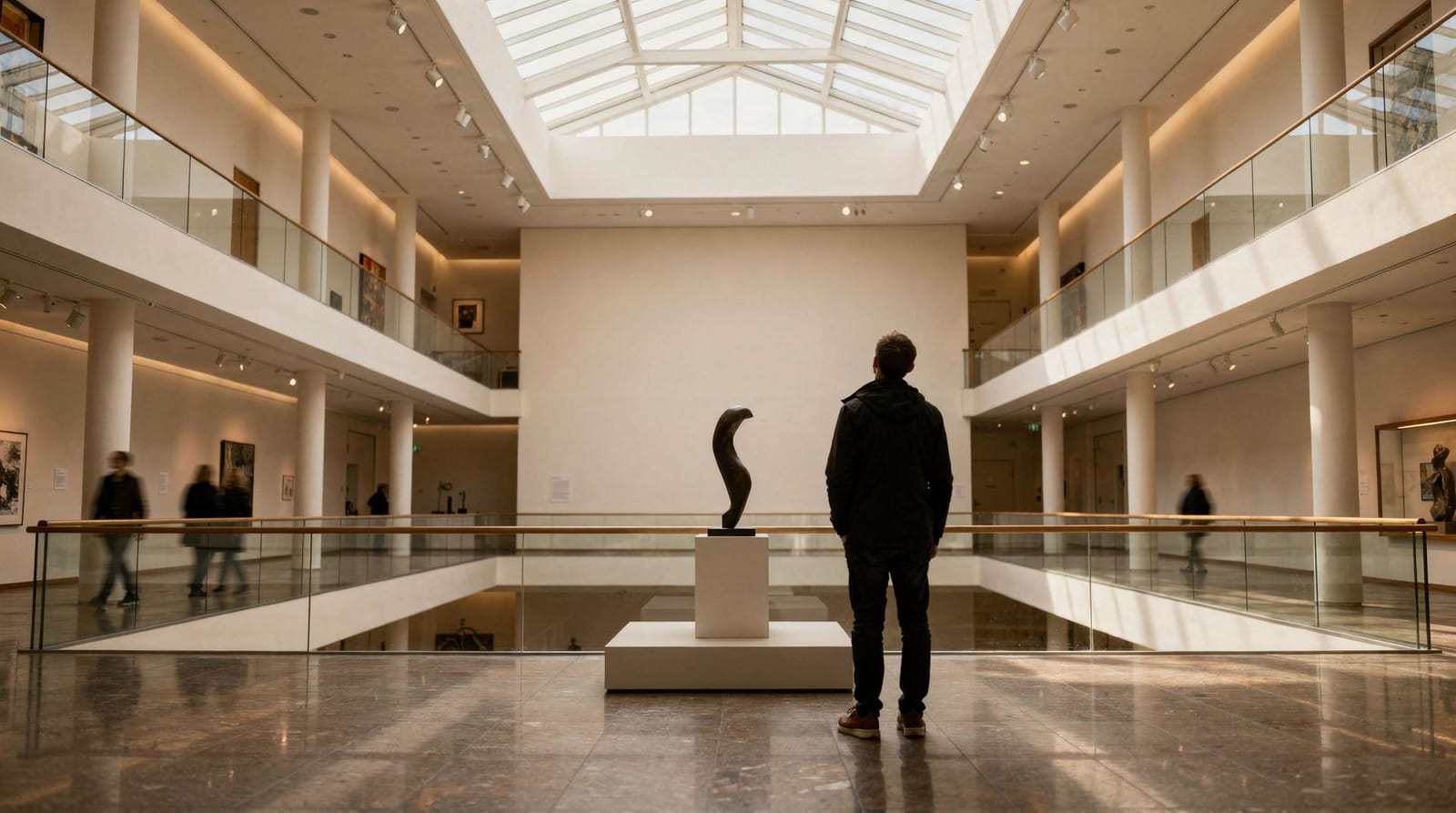
Moderna Museet: A 20-minute walk via Skeppsholmen. From military history to modern art — the contrast is dramatic. See the Moderna Museet guide.
Fotografiska: On Södermalm’s waterfront, about 30 minutes by T-bana. Military history in Östermalm and photography on the water. See the Fotografiska guide.
Frequently asked questions about the Army Museum
Is the Army Museum really free?
Not for adults. Armémuseum costs 140 SEK (95 SEK for seniors and students) and is free for under-19s. Occasional temporary exhibitions may have a separate ticket price. The permanent collection is substantial and typically takes 1.5–2 hours.
Is the Army Museum gory or disturbing?
Some sections are deliberately unsentimental about the realities of war and disease. The plague scene recreation and the 17th-century village scenes depicting conscription and suffering are designed to have an impact. Most adults find this honest and affecting rather than gratuitously disturbing. For children under 10, parental guidance is recommended.
Does the Army Museum cover Sweden in World War II?
Yes, and with more frankness than many Swedish institutions. The museum addresses Sweden’s neutrality policy, including the controversial 1940–43 period when Swedish territory was used for German troop transit (the so-called transiteringstrafik). The display does not present the neutrality as unambiguously principled.
How does the Army Museum compare to the Royal Palace?
Very different in character. The Royal Palace covers the political and ceremonial history of the Swedish monarchy with formal museum approach; the Army Museum uses theatrical immersion to show the human costs of Swedish military history. They complement each other as different angles on Swedish history.