Swedish sauna versus Finland — what's actually different
The sauna is, technically, a Finnish invention. The word is Finnish, the tradition is oldest in Finland, and Finnish sauna culture has UNESCO Intangible Cultural Heritage status (granted 2020). Sweden has saunas, uses saunas, and has a strong sauna culture — but if you want to tell a Finn that Sweden and Finland have equivalent sauna traditions, you should be prepared for a patient, pointed correction.
We’ve done the sauna in both countries, multiple times, including a traditional Finnish smoke sauna (savusauna), a wood-fired Swedish archipelago sauna with a dock plunge into the Baltic, and various urban spa versions of both. Here’s what’s actually different.
| Best Stockholm option | Vaxholm archipelago sauna, Baltic dock plunge |
| Typical temperature | 70-85°C Swedish, 80-100°C Finnish |
| Cost | Varies by operator; book ahead in summer |
| Season | Year-round, most memorable in winter |
| Getting there | Ferry or boat tour from central Stockholm |
The temperature question
Finnish saunas run hot. Traditional Finnish sauna temperature is 80-100°C. The humidity is low — dry heat — but the löyly (steam from throwing water on the stones) raises it periodically. The protocol involves long sessions of 10-20 minutes, multiple rounds, cooling in between.
Swedish saunas tend to run slightly cooler — 70-85°C is common — and the session rhythms are more flexible. The Swedish cultural approach is less prescriptive about the exact ritual. You go in, you come out, you cool down, you go back. The temperature debate between Swedes and Finns about what constitutes a “proper” sauna is ancient and unresolved.
The practical difference for visitors: You’re unlikely to notice a significant temperature difference between a good Swedish sauna and a good Finnish one. The difference is more cultural than thermal.
The cold water element
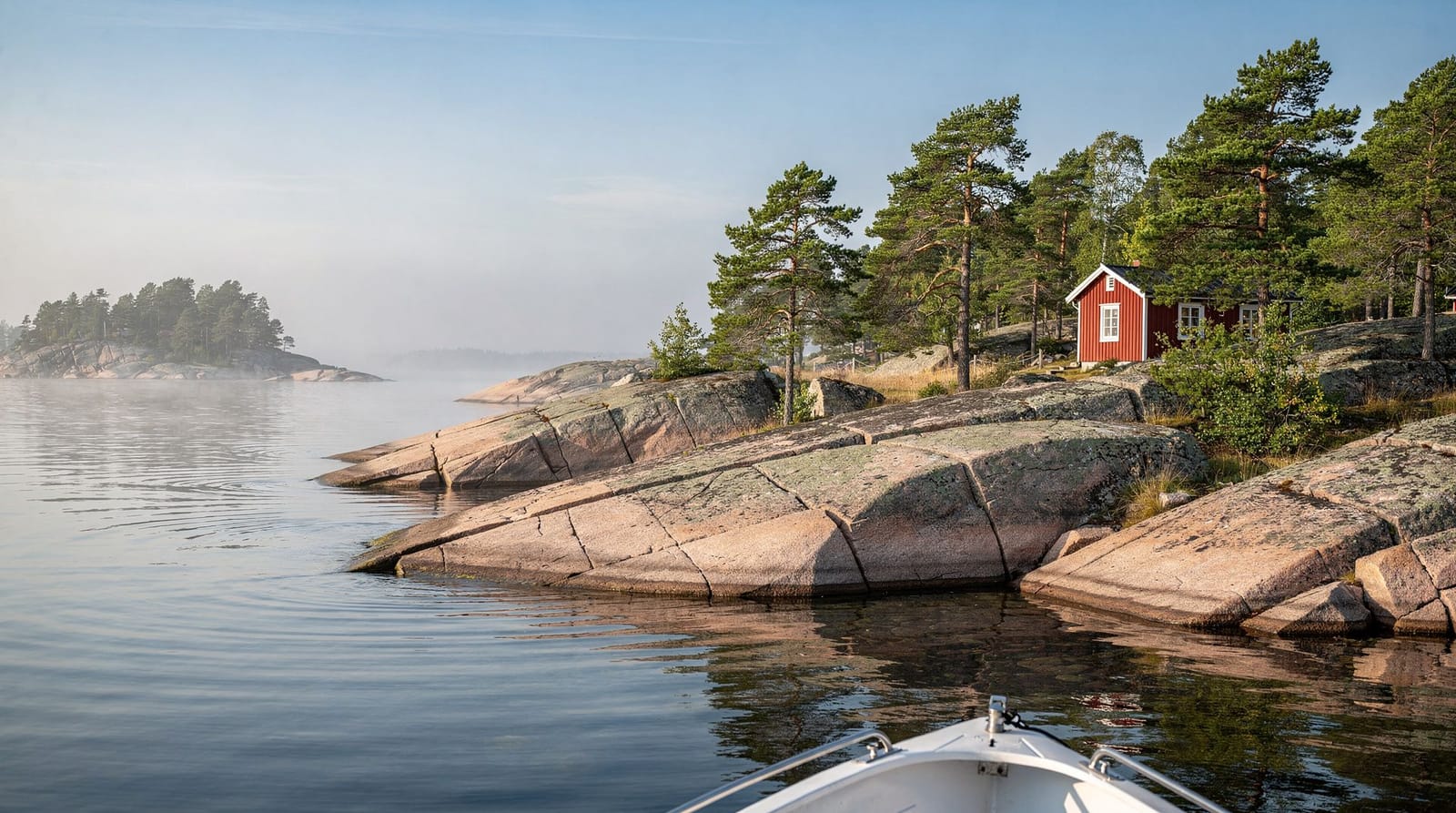
Both traditions involve cooling down after the heat. In Finland, especially in the countryside, this means a lake or the sea or, in winter, rolling in snow or cutting a hole in the ice. In Sweden, especially in the archipelago, it means a dock and the Baltic or a lake.
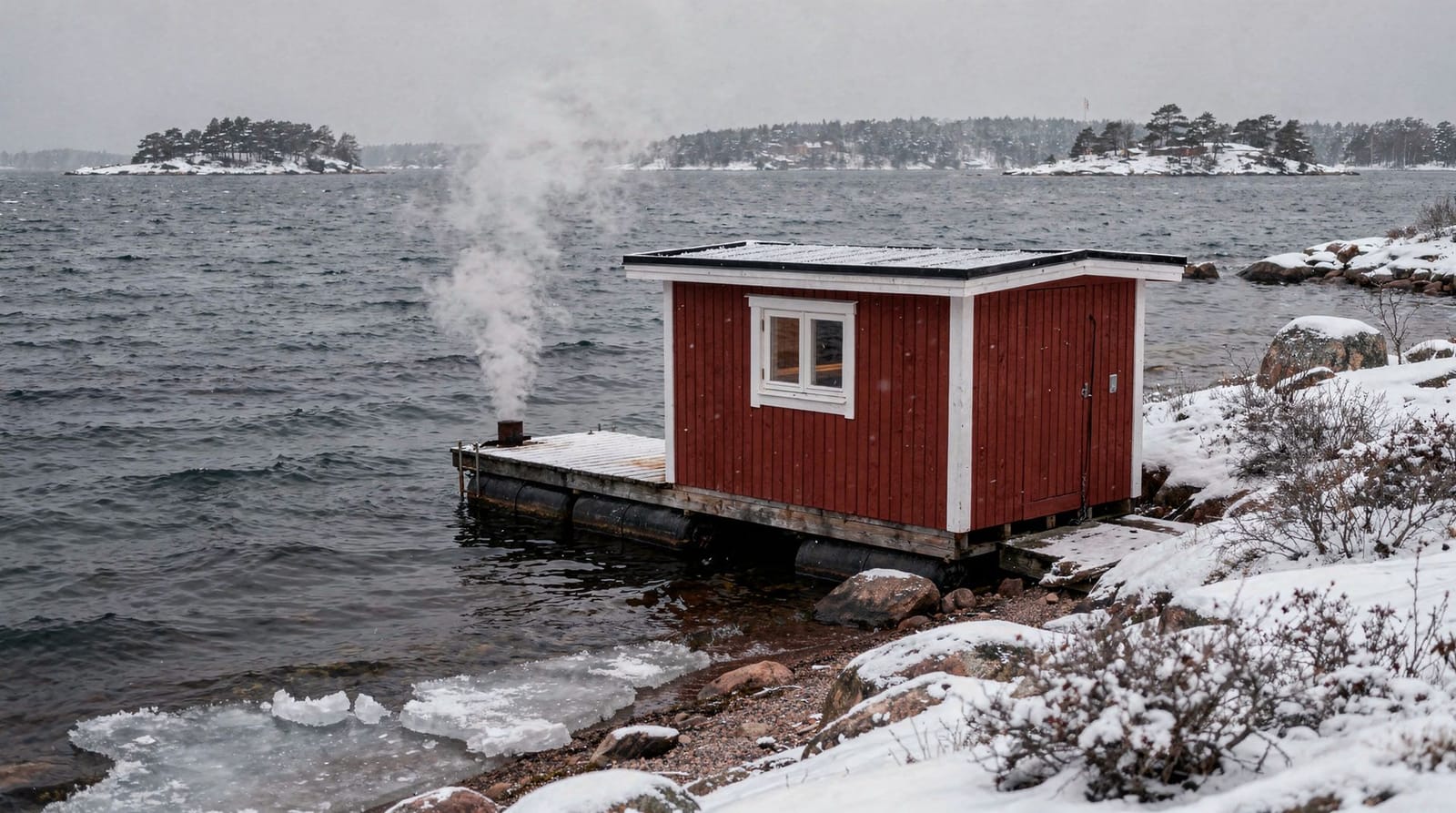
The Vaxholm archipelago sauna experience — a wood-fired sauna in a red wooden boathouse, with a dock into the Baltic Sea and the option of a year-round plunge — is the Swedish sauna at its most elemental. This is not a spa experience. The water temperature in the Baltic in October is around 12°C. In January it’s 2-4°C. Our Vaxholm destination page covers the town itself if you want to combine the sauna with a wider day trip.
The polar plunge is not mandatory. Nothing in Swedish sauna culture is mandatory. You cool down at your own pace.
Finnish sauna culture is somewhat more collective and ritualistic: specific rules about the order of bathing, about silence in the sauna (in some traditions), about the host’s role in throwing steam. Swedish sauna culture is more relaxed — less codified, more individual.
Where to sauna in Stockholm
Urban spa: Sturebadet in Östermalm is a historic swimming hall (1885) with a renovated spa complex including both sauna types. More spa than traditional, but genuinely excellent as a winter afternoon. The pool is beautiful.
Archipelago, traditional: The Vaxholm sauna experience — wood-fired, dock-access Baltic plunge — is as close to traditional as you can get within day-trip distance of Stockholm. Book ahead; these experiences sell out in summer.
Winter kayaking with sauna: One of the better cold-weather experiences in the Stockholm area combines winter kayaking (in a dry suit, genuinely not as extreme as it sounds) with a post-kayak sauna and optional polar plunge. For those who want to commit to the full Swedish winter sensory experience, this is the one.
The Finnish-vs-Swedish question for visitors
If you are visiting Stockholm and want a sauna experience, you will have an excellent sauna experience. It will not be identical to a Finnish traditional sauna, and it doesn’t need to be. The Swedish version — particularly the archipelago boathouse sauna with Baltic dock access — has its own validity and its own specific pleasures.
If you specifically want the Finnish sauna in its most concentrated form: Finland is an easy train journey away (Turku or Helsinki from Stockholm on the overnight Viking Line or Tallink ferry). The overnight ferry crossing with a wood-fired sauna on deck is, incidentally, one of the better things you can do in the Baltic region.
For Stockholm visitors who have a few hours: The Vaxholm option is the one we recommend. It’s accessible, it’s authentically Swedish, and the Baltic plunge in any season is a complete sensory event.
Vaxholm traditional sauna with polar plunge in the Baltic Sea Stockholm winter archipelago kayaking with sauna and fikaOur Stockholm wellness guide covers spa options, sauna experiences and cold-water swimming across the city and archipelago.
Combining sauna with an archipelago day
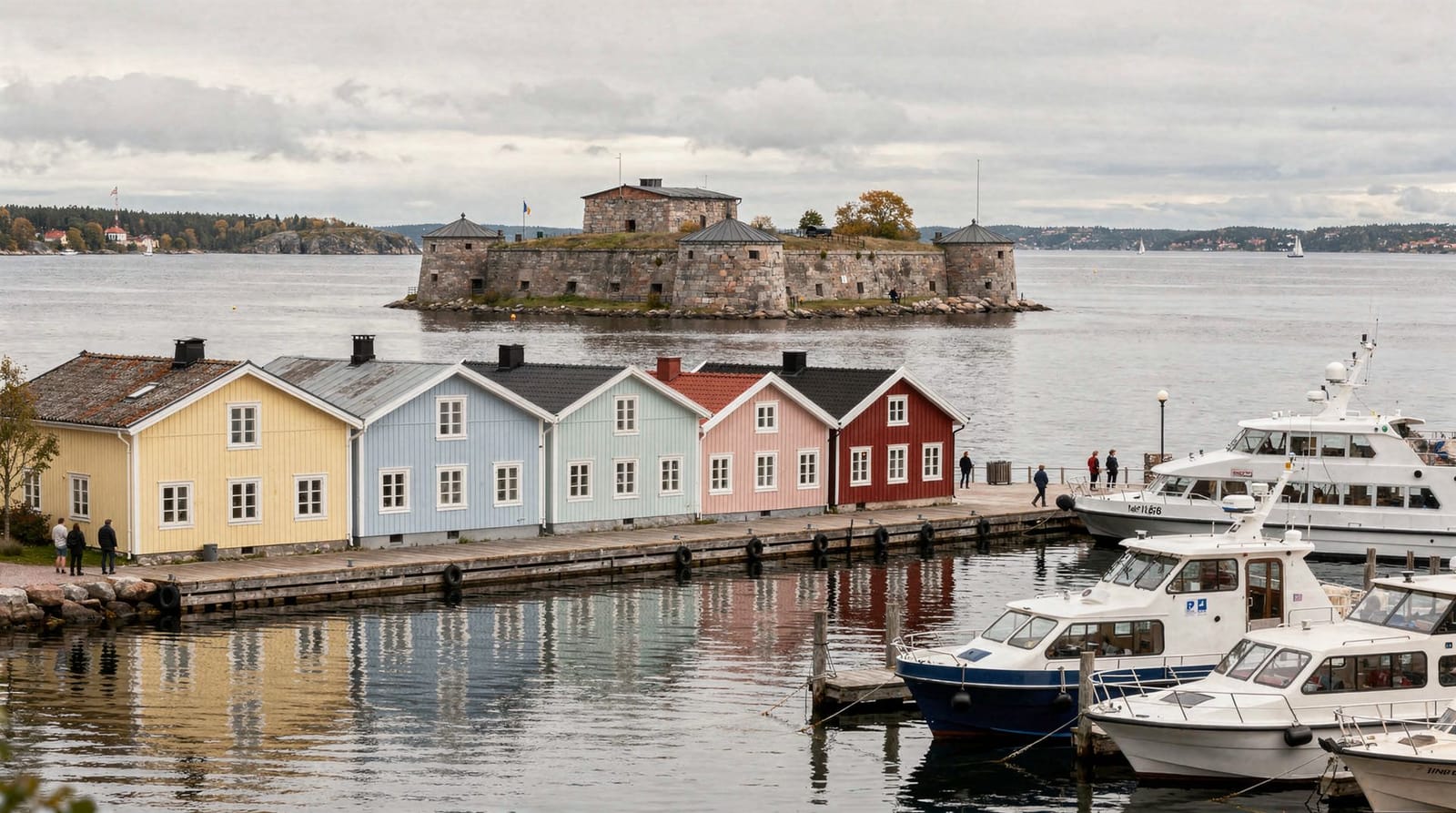
Most visitors don’t sauna in isolation — it pairs naturally with a wider Stockholm archipelago day trip. A morning or afternoon boat out to Vaxholm, time exploring the town and fortress, then the sauna and Baltic plunge before the return ferry makes a complete day without feeling rushed. If you’d rather build activity around the water first, our kayaking in the Stockholm archipelago guide covers combining a paddle with a sauna finish, which is how several operators structure their winter packages.
Building a sauna day around the rest of your trip
A sauna works best as the calm centre of a busy itinerary rather than something squeezed between sights. If you only have a short stay, our Stockholm in 24 hours plan leaves little slack, so the sauna is better suited to a longer visit such as the 3 days for first-timers route or the 4 days with the archipelago version, where a boat day is already built in. In the cold months, the Stockholm winter 3-day itinerary is the natural home for a steam-and-plunge afternoon.
Getting to the water is half of the pleasure. Our guides to Waxholmsbolaget ferries explained and Strömma versus Waxholmsbolaget will help you choose a boat, and the Vaxholm day guide shows what to do around the sauna slot so the day feels unhurried.
After the sauna: what to eat and where to warm up
Heat and cold leave you hungry. The Swedish habit is a proper pause afterwards, and our fika culture guide explains why a coffee and a bun belong right after the plunge. If you want something more substantial back in town, the Swedish meatballs guide points to places that suit a tired, pleasantly drained evening, and the Södermalm food scene is a good neighbourhood for a relaxed dinner.
For something food-led rather than water-led on another day, a guided option such as a walking tour built around Swedish food pairs well with a sauna day on the same trip, since one is slow and sensory in the same way.
The ritual question
One specific difference between Swedish and Finnish sauna culture that doesn’t get discussed often: the birch whisk (in Finnish: vihta or vasta; in Swedish: björkriset or just a birch branch bundle).
In Finnish sauna tradition, the birch whisk — branches of birch with leaves, soaked in warm water — is used to gently beat the skin. This stimulates circulation, increases heat perception, and releases a pleasant birch fragrance into the steam. It is part of proper Finnish sauna.
In Sweden, the birch whisk tradition exists but is less universally practised in everyday sauna culture. In a traditional countryside sauna, you might encounter it. In an urban spa, probably not.
If you want the full ritual experience including the whisk: Finland is more reliably going to provide this than Sweden. For Sweden, specifically seek out traditional rural-style saunas (the archipelago boathouse versions) or ask in advance.
Year-round sauna: the Swedish distinction
Sweden’s sauna culture has one feature that Finnish sauna sometimes lacks in tourist contexts: the integration with swimming year-round. Swedish bathing culture expects you to cool down in open water — the sea, a lake, a river — not just a cold shower or a plunge pool. The Vaxholm sauna experience with a dock into the Baltic has this: you get the full outdoor cold-water component, which is significantly more psychologically impactful than a cold shower.
This matters for the overall experience. The sauna heat opens your pores and raises your core temperature; the cold water plunge closes them and signals your autonomic nervous system in a way that produces a specific altered-state feeling. The transition between the two is the point of the exercise.
The best Swedish sauna experiences are those that integrate open-water cooling rather than substituting a cold shower. This is an outdoor experience, not a spa treatment.
How cold is cold enough?
The Baltic Sea around Stockholm:
- January-March: 2-4°C
- April: 5-8°C
- June: 12-16°C
- August: 18-22°C
- October: 12-14°C
A July Baltic plunge after sauna is refreshing. A February Baltic plunge is a specific kind of intense. We’ve done both. The February version produces a slightly evangelical quality in people who experience it for the first time. Our Stockholm winter guide covers what else the cold season is good for beyond the sauna and plunge combination. If you plan to be outside for long, the what to pack for Stockholm guide and the winter clothing rental guide explain how to stay comfortable on the walk between the boathouse and the dock, and the archipelago in winter versus summer comparison helps you decide which season suits you. For other open-water spots, see our swimming spots in Stockholm guide.
Frequently asked questions about sauna in Stockholm
Where is the best sauna experience in Stockholm for tourists?
The Vaxholm archipelago sauna with Baltic plunge is the most authentically Swedish and most memorable option accessible as a day trip. Within the city, Sturebadet is the most beautiful venue. For the cold-weather outdoor experience, the winter kayaking with sauna combination is the most complete.
Is a Swedish sauna different from a Finnish one?
Culturally more than thermally. The temperatures overlap, the stones and steam are the same concept, but Finnish sauna culture is more codified and ritualistic. Swedish sauna is somewhat more casual and flexible. For a visitor experience, the difference is less significant than the setting and the cold-water component.
Can you use a sauna in Stockholm in summer?
Yes, and it’s particularly good in summer when the cold plunge into the Baltic is at its most accessible. The contrast effect is present year-round but the summer version is less extreme for those who prefer their cold-water experience at 18°C rather than 4°C.
What should I bring to a Swedish archipelago sauna?
A swimsuit, a towel, sandals for the dock, and warm layers for before and after if it’s winter — most venues provide robes but not always towels. Bring water; the heat and cold cycle is dehydrating. Check in advance whether your session is mixed or single-sex, as conventions vary by venue.
Do I need to book the Vaxholm sauna in advance?
Yes, especially in summer, when slots sell out days ahead. Winter has more availability but the polar-plunge sessions still fill up around weekends. Booking a few days ahead removes the risk entirely.