Skansen open-air museum review: Stockholm's living history park
Stockholm: Skansen open-air museum entrance ticket
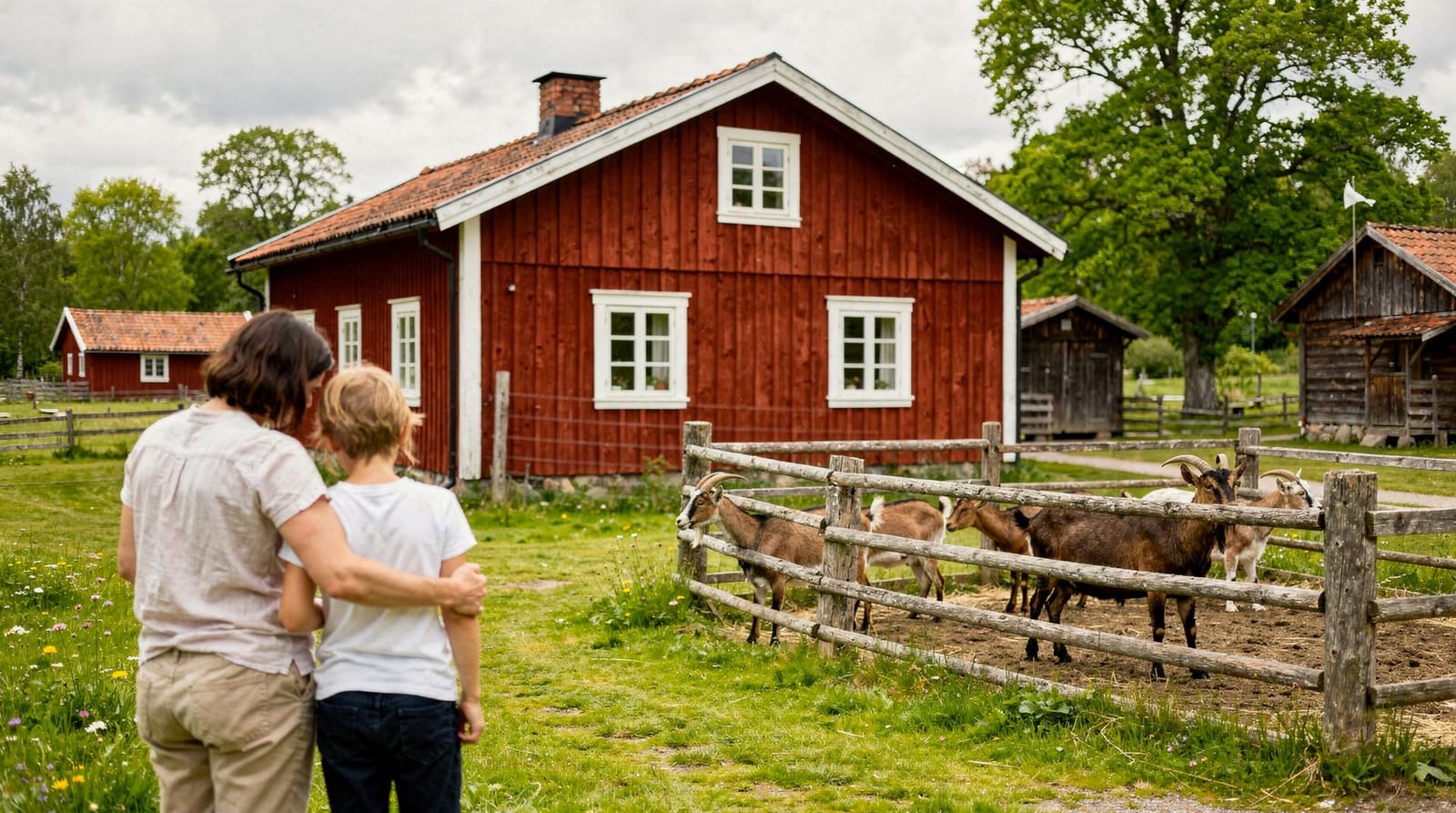
Skansen is the world’s first open-air museum, and it’s built on a scale that rewards a full day rather than a quick stop between other Djurgården sights. This review covers what the 150+ relocated buildings, the Nordic zoo and the live craft demonstrations actually add up to, how much time to realistically budget, and when the Vasa Museum is the better use of limited hours instead.
| Where | Djurgårdsvägen 49–51, Djurgården |
| Cost | ~260 SEK peak / ~160–190 SEK off-peak (under-15s free) |
| Time needed | 3–4 hours minimum, full day for demonstrations + zoo |
| Getting there | Tram 7, Djurgårdslinjen ferry, or ~25-min walk from Gamla Stan |
| Best time | Morning for the bears, 12:00–16:00 for craft demos |
Quick verdict
Top 3 reasons to visit Skansen:
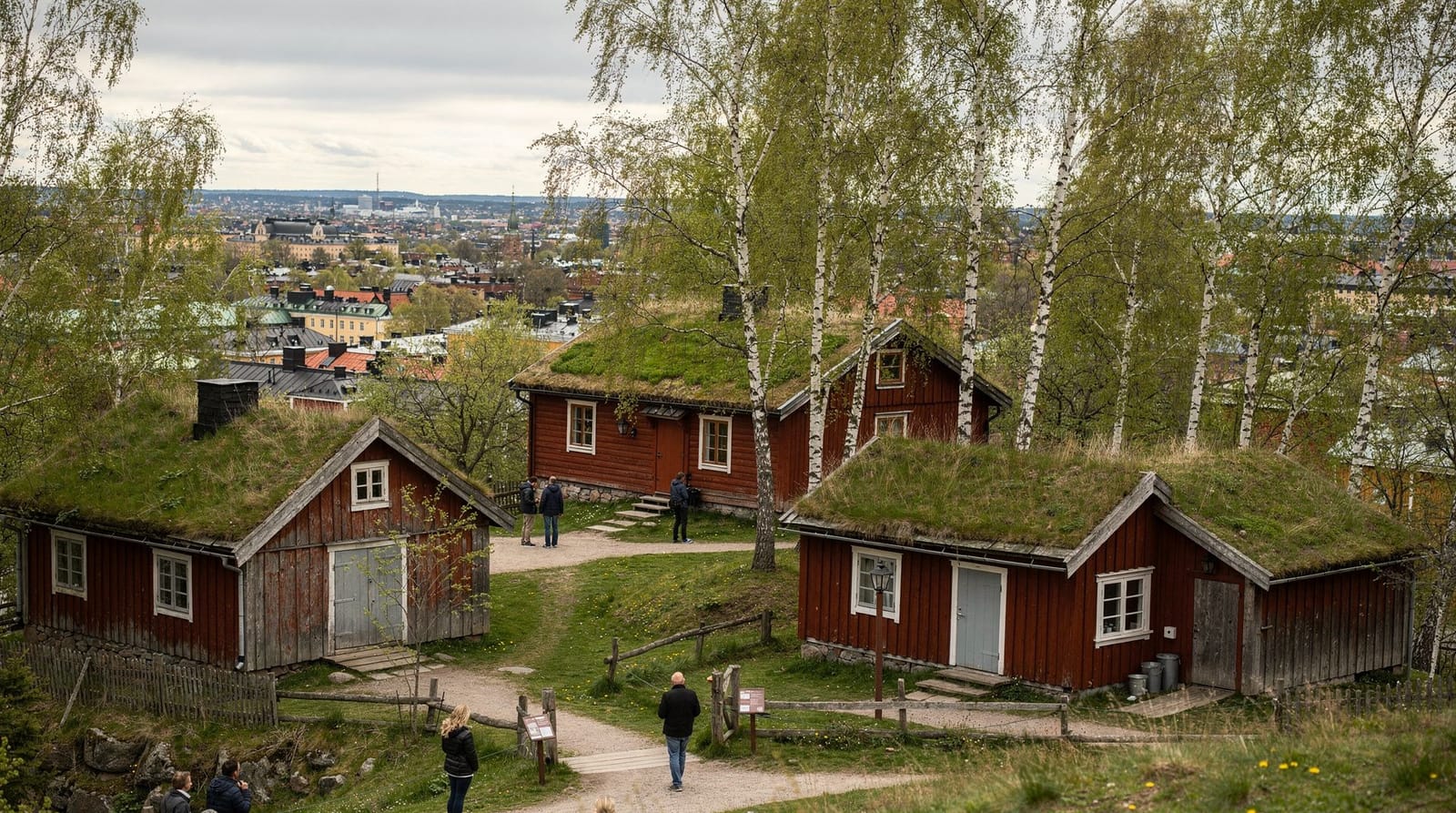
- It’s the single best way to understand pre-industrial Swedish life — the relocated farmsteads and workshops are more visceral than any gallery display.
- The combination of outdoor site, living demonstrations and Nordic zoo works unusually well across different visitor types: history buffs, families and casual walkers all find something to anchor their visit.
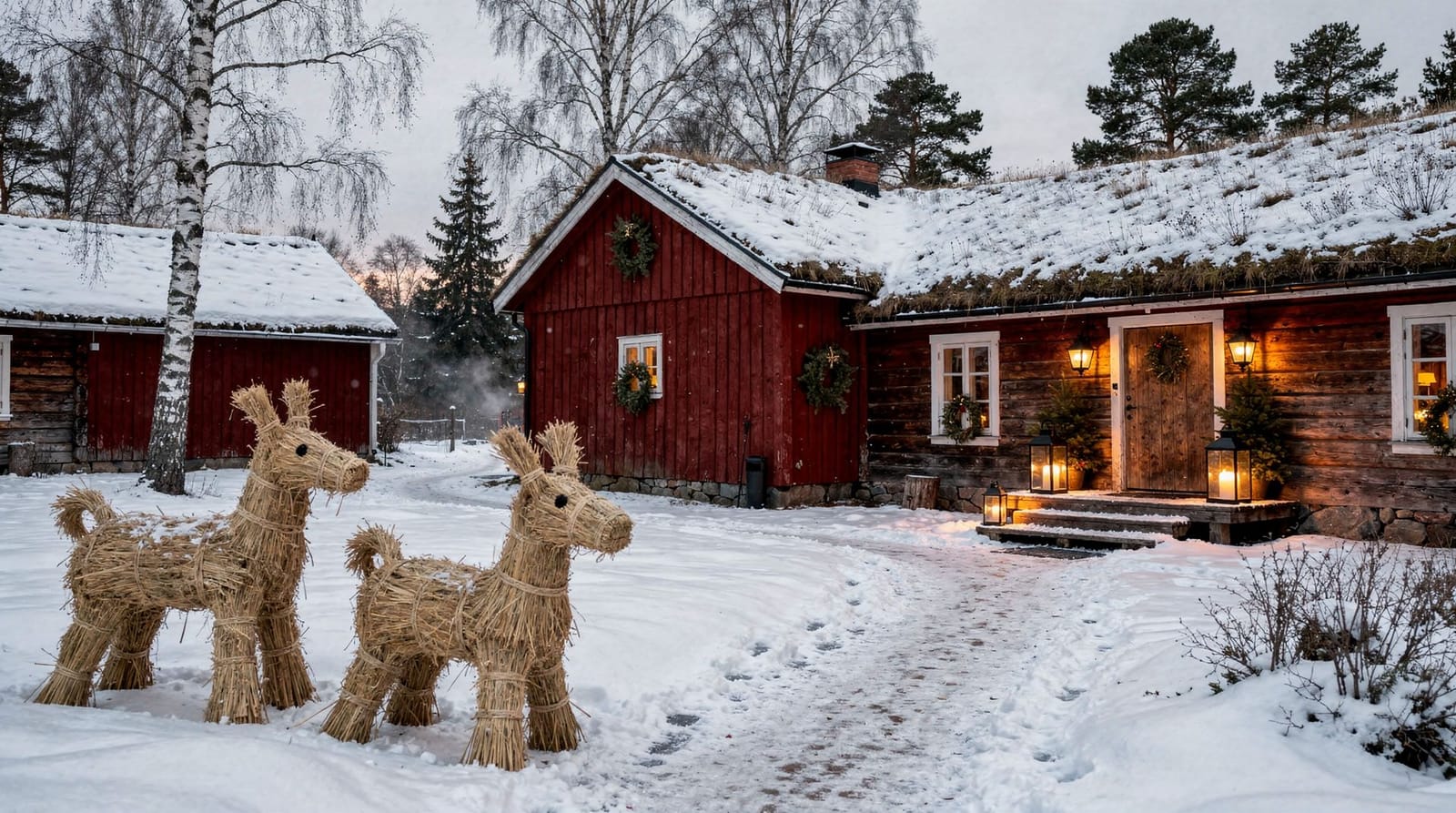
- The seasonal programming — Midsummer celebrations, the September harvest festival, the December Christmas market — gives Skansen a different character throughout the year.
One reason to skip it:
- If your remaining Stockholm time is short and the Vasa Museum is on your list, the Vasa is more compressed and time-efficient. Skansen’s rewards are proportional to time invested — a 90-minute rush is genuinely unsatisfying.
What’s included
- Full-day entry to Skansen open-air museum (enter and re-enter freely with the day ticket)
- Access to all 150+ historic buildings and farms
- Live craft demonstrations (glassblowing, blacksmithing, printing, baking — schedule varies by day)
- Nordic zoo section: moose, bears, wolverines, lynx, wolves, reindeer, seals, otters
- Seasonal programming: Midsummer (June), harvest festival (September), Christmas market (December)
- Elevated viewpoints over Stockholm and Djurgården
What’s excluded
- Food and beverages (multiple café and restaurant options on-site, plus a bakery selling traditional Swedish breads)
- The Gröna Lund amusement park immediately adjacent to Skansen (separate entry required)
- Christmas market entry (separate ticket in November–December)
Pricing and duration
| Option | Price (approx.) | Duration |
|---|---|---|
| Skansen standard entry | Full day | |
| Skansen off-peak (Oct–Mar) | Full day | |
| Vasa + Skansen fast-track combo | Full day Djurgården | |
| Nordiska Museet entry | 2–3 hours |
Children under 15 enter free at Skansen regardless of adult ticket type.
Where and when it runs
Location: Djurgårdsvägen 49–51, Djurgården. Reachable by tram 7 from T-Centralen, the Djurgårdslinjen ferry from Slussen or Nybroplan, or on foot (~25 minutes from Gamla Stan).
Opening hours: Daily year-round. Summer hours (June–August) approximately 10:00–22:00 (grounds) / 11:00–17:00 (buildings). Winter hours shorter — check the Skansen website for current times, as they vary weekly.
Demonstrations: The live craft demonstrations typically run 12:00–16:00 daily in summer. The daily schedule is posted at the entrance and on the Skansen app.
Navigating the site
Skansen occupies a hillside with the main entrance at the lower level and the historic farm sections on the upper plateau. Most visitors underestimate the climb — the main path to the upper sections involves 50–70 metres of elevation gain.
Lower section: Zoo animals (bear enclosure, wolverine territory, seal pool, reindeer paddock), the Aquarium building, the main restaurant.
Mid-section: The urban historical quarter — a 19th-century Stockholm streetscape with an apothecary, bank, haberdasher’s shop and working bakery. The Skansen bakery produces traditional Swedish breads and pastries; it’s worth the stop.
Upper section (plateau): The heart of the open-air museum — farmsteads from different Swedish regions (Lappland, Dalarna, Småland), a working glassblowing workshop, the Sami camp with its turf huts, and the manor houses. The main event area (Bollnästorget) is here and hosts Midsummer, concerts and Christmas events.
Viewpoints: The upper plateau offers unobstructed views across Djurgården, the archipelago approaches and the Stockholm skyline — better than most specifically designated viewpoints in the city.
Sample visit
10:30 Arrive at Skansen’s main entrance. Collect a site map and the day’s demonstration schedule.
10:45 Lower level: bear enclosure first (the bears are most active in morning before the heat builds). Wolverine territory and seal pool.
11:30 Take the funicular or walk up to the upper level. The 19th-century urban quarter — explore the pharmacy, the bakery (pick up a piece of rye bread).
12:30 Upper plateau. Start at the glassblowing workshop — demonstrations typically begin at noon and the artisan explains the process. Stop at the Dalarna farmstead and the Lappland hut section.
13:30 Lunch at the Solliden restaurant on the upper level — decent buffet, reliable quality, outdoor terrace.
14:30 Continue to the Sami camp and the manor house section.
15:30 Bollnästorget (main open space) — if there’s a live demonstration or folk dance scheduled, it happens here in the afternoon.
16:30 Exit via the lower level, or continue to the adjacent Gröna Lund for the evening if you have children and the inclination.
Pros
- The scale of the site means you can spend a full day without running out of things to see.
- The animal section is well-maintained and focused on species you’d actually encounter in Swedish nature — more contextually relevant than a conventional zoo.
- The craft demonstrations are genuinely skilled, not performative — the glassblower is making real objects; the blacksmith is producing functional tools.
- The bakery on-site sells honest Swedish bread and pastries at reasonable prices — a practical contrast to Djurgårdsvägen’s more tourist-oriented cafés.
- The view from the upper plateau is one of the better panoramas available in central Stockholm without paying for a dedicated observation platform.
Cons
- July weekends can be overwhelmingly crowded, particularly around the animals and the demonstration areas.
- The site’s hillside geography is tiring — plan your route before arriving or you’ll end up climbing the same hill several times.
- The buildings are best in summer when they’re staffed; many are unstaffed and closed in the off-season, making a winter visit to the open-air section less rewarding.
- Adjacent to Gröna Lund, which generates evening noise if you visit the upper areas late afternoon.
- No timed entry system — if the site is busy, it’s busy.
Tips from us
Check the demonstrations schedule before visiting. The craft demonstrations are the distinctive Skansen experience — glassblowing, silversmithing, bookbinding. If you don’t check the schedule, you may arrive at the glassblowing workshop when it’s between sessions. The schedule is posted at the entrance and updated on the Skansen website.
Visit the bears in the morning. Brown bears are most active in the first 2 hours after the park opens. By midday they’re typically resting.
Buy bread at the Skansen bakery. The bread produced in the 19th-century bakery building is made to historical recipes — worth more than the canteen-style bakeries on Djurgårdsvägen.
The Vasa + Skansen combo ticket is worth considering if you’re planning both in one day. Booking together handles the Vasa’s timed entry requirement while covering Skansen’s open-entry format.
Skansen vs the rest of Djurgården
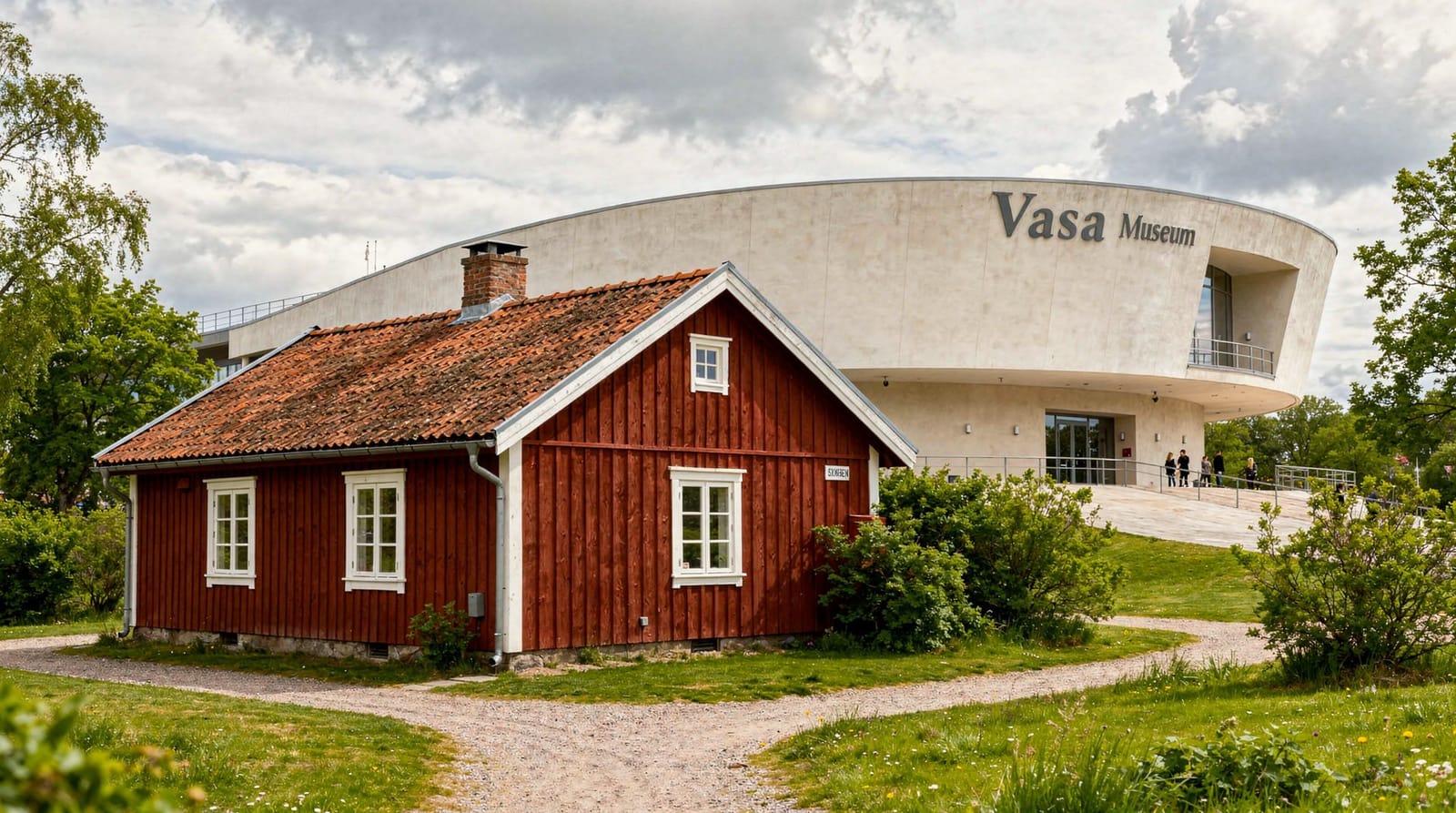
Skansen shares an island with several other major attractions, and the honest planning question is how to allocate a limited number of hours across them. The Vasa vs Skansen comparison is the most direct resource if you can only properly do one — the short version is that the Vasa delivers its impact fast (1.5–2 hours) while Skansen needs 3–4 hours to feel worthwhile. If children’s entertainment beyond the animals matters, the Junibacken and Skansen with Gröna Lund guide covers how the three sit together for a family day. And during December, Skansen’s own seasonal market deserves separate planning — see the Skansen Christmas market guide for how it differs from the city-centre markets.
Rainy-day and off-season considerations
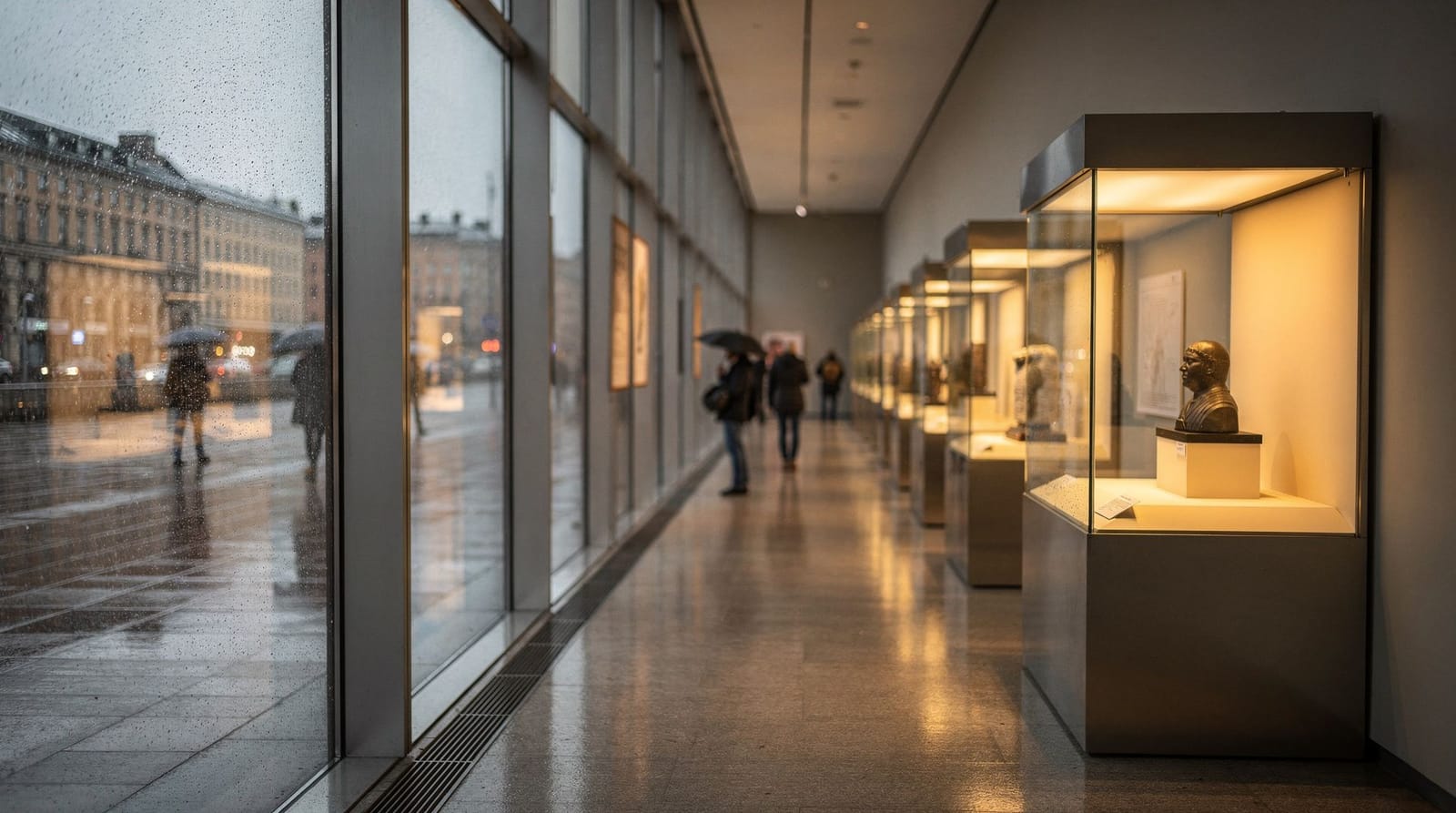
Skansen is fundamentally an outdoor site, and its value drops meaningfully in poor weather or deep winter, when many of the historic buildings are unstaffed and closed. If rain is forecast for your Stockholm day, the museum rainy-day guide lists indoor alternatives that make better use of a wet afternoon than a soggy walk up Skansen’s hillside paths. If you’re visiting outside the June–August window but the outdoor buildings still interest you, aim for a clear day and accept that some staffed demonstrations won’t be running — the zoo and viewpoints remain worthwhile year-round regardless.
Autumn (September–October) is an underrated window: the harvest festival programming brings some seasonal activity back, the crowds thin out considerably compared to July, and the hillside’s tree cover turns before the leaves drop entirely. Prices are also at their off-peak rate in this window, making it one of the better value times to combine Skansen with a Djurgården day that also includes the Vasa Museum or ABBA Museum without the summer queues at any of the three.
Best for / Skip if
Best for: Families with children, visitors interested in Swedish cultural history, anyone visiting during Midsummer or the Christmas market period, visitors with a full day available on Djurgården.
Skip if: You have fewer than 2.5 hours available, or if the Vasa Museum is your primary Djurgården priority and time is limited — the Vasa delivers its impact in 1.5–2 hours, while Skansen’s best experiences require 3–4 hours to access.
Cancellation policy
Free cancellation up to 24 hours before the visit date when booked through GetYourGuide. If you need date flexibility, the Skansen website also sells tickets directly with varying terms.
Book Skansen entry on GetYourGuideHow the options compare
| Skansen entry | Vasa + Skansen combo | Nordiska Museet | Vasa entry | |
|---|---|---|---|---|
| Price (approx.) | ~260 SEK peak | ~950–1 100 SEK | ~190 SEK | ~190 SEK |
| Time needed | 3–5 hours | Full day | 2–3 hours | 1.5–2 hours |
| Outdoor? | Yes (mainly) | Mixed | Indoors | Indoors |
| Animals | Yes | Yes (Skansen) | No | No |
| Best for | Cultural history + nature | Full Djurgården day | Swedish design + culture | 17th-century ship |
For the Djurgården full day comparison and planning, see the Vasa vs Skansen comparison and the Djurgården destination guide.
Frequently asked questions about Skansen open-air museum
What is Skansen?
The world’s first open-air museum (founded 1891). The 75-acre Djurgården site contains 150+ historic buildings from across Sweden, live craft demonstrations and a Nordic zoo.
How long should I spend there?
3–4 hours minimum. A full half-day or more if you want to see demonstrations, the animals and multiple building sections.
How much does entry cost?
Around 260 SEK (~$25) per adult in peak season. Children under 15 enter free.
Is it worth visiting in summer?
Yes — summer offers the best demonstrations and animal activity. July weekends are the busiest and can feel crowded in specific areas.
What is the Skansen Christmas market?
The most traditional of Stockholm’s Christmas markets, running November–December. More authentic atmosphere than the city centre alternatives. Separate entry ticket.
Is it accessible?
Partially. The site is hilly and many paths are uneven. The lower level is more accessible; the upper plateau areas have limitations for wheelchairs and mobility frames.
What animals can I see?
Brown bears, moose, wolverines, lynx, wolves, reindeer, grey seals, otters and Nordic bird species. All Scandinavian and subarctic species — no exotic animals.
What is the cancellation policy?
Free cancellation up to 24 hours before the visit date when booked through GetYourGuide.
Book now — children under 15 free